5 hr
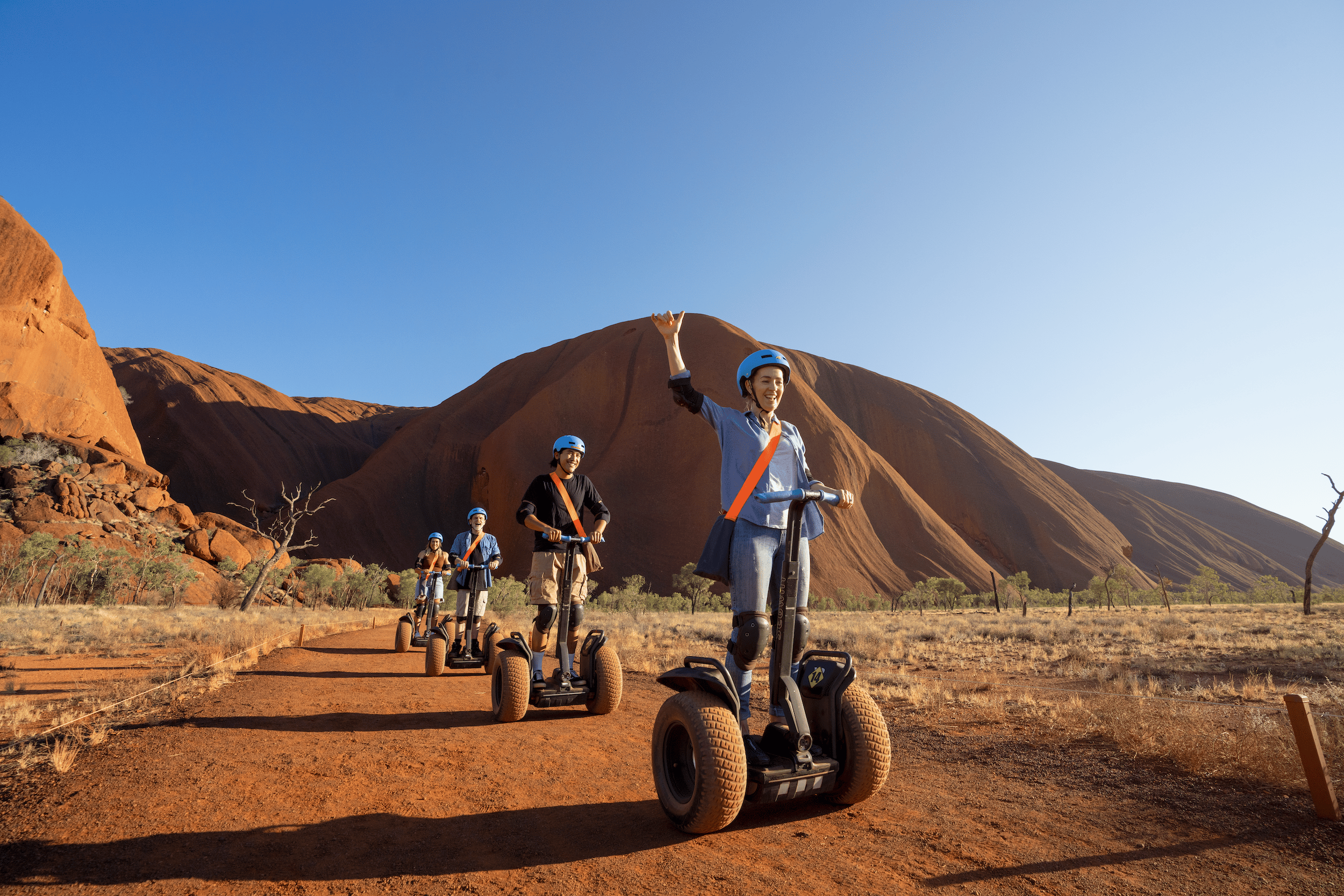
Uluru Base Segway Tour at Sunrise
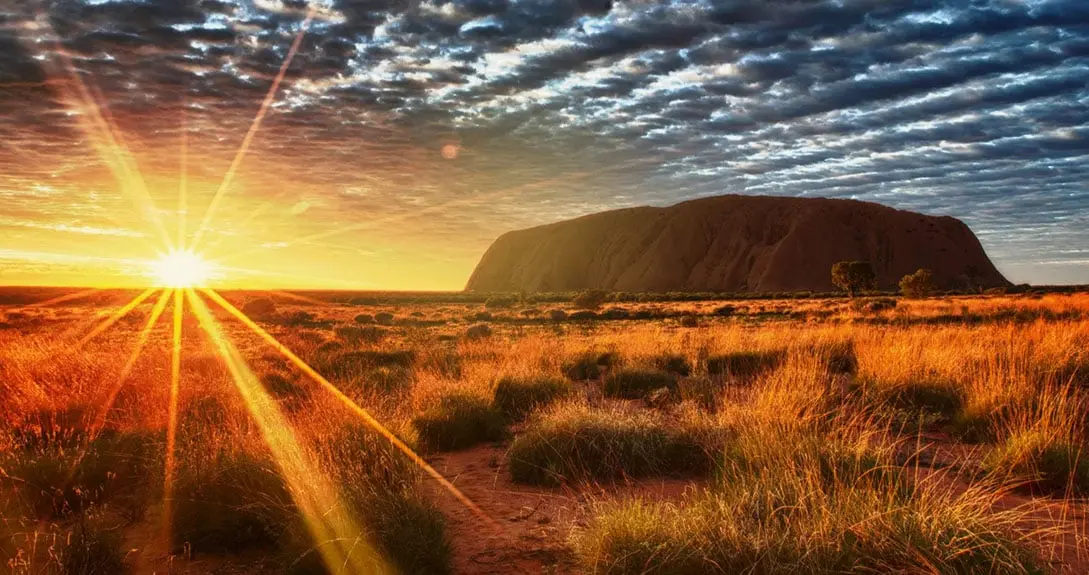
Glide around the sacred monolith at first light, exploring hidden waterholes and ancient stories.
Reserve
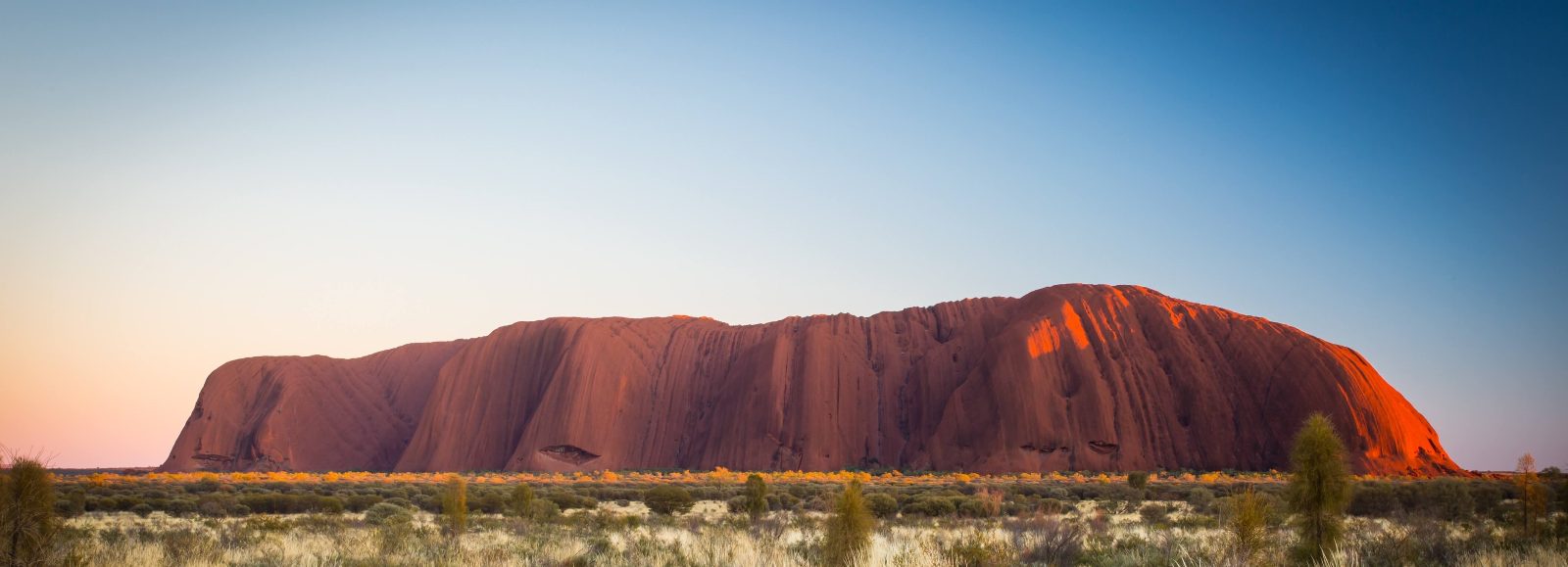
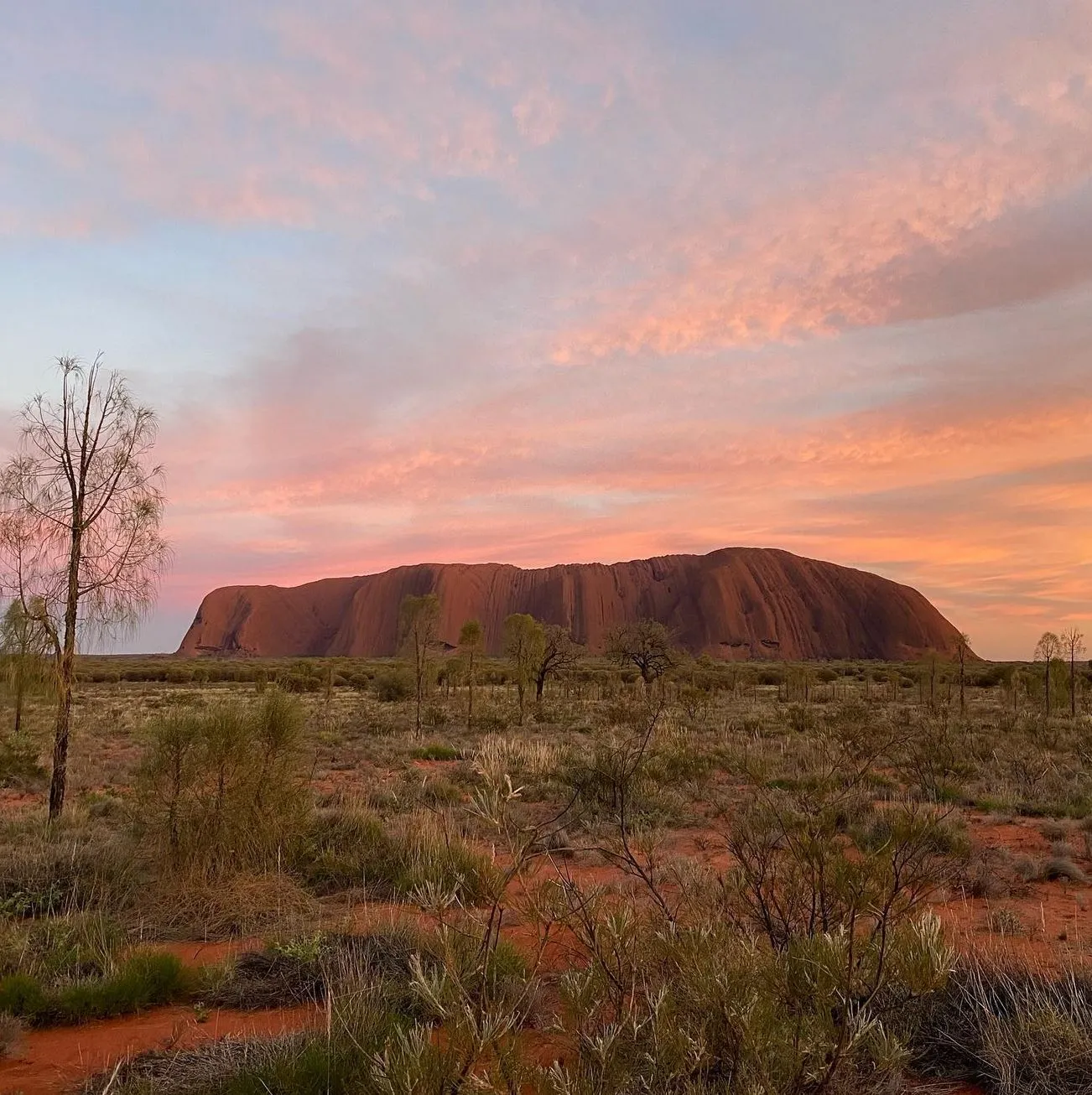
The desert holds its dark, then the sandstone catches fire.
Hand-picked by our editors — only the best 12 dawn experiences from 240 reviewed.
Verified partners for Uluru Sunrise tours, free cancellation where available, and instant confirmation on every booking.
5 hr
Glide around the sacred monolith at first light, exploring hidden waterholes and ancient stories.
Reserve
2 hr
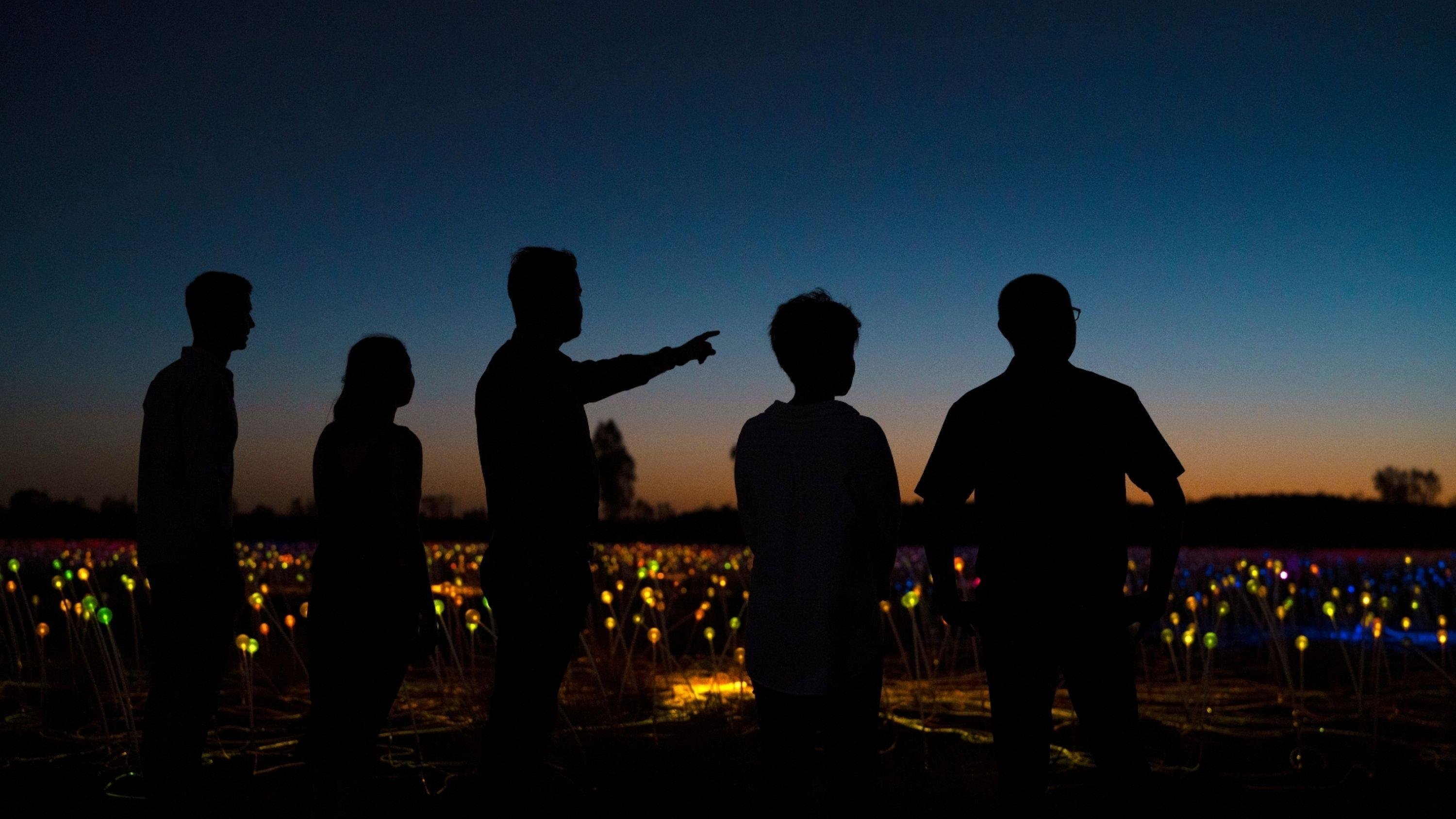
Walk among 50,000 glowing spheres at dawn and watch the sun illuminate Australia's sacred rock
Reserve
5 hr 30 min
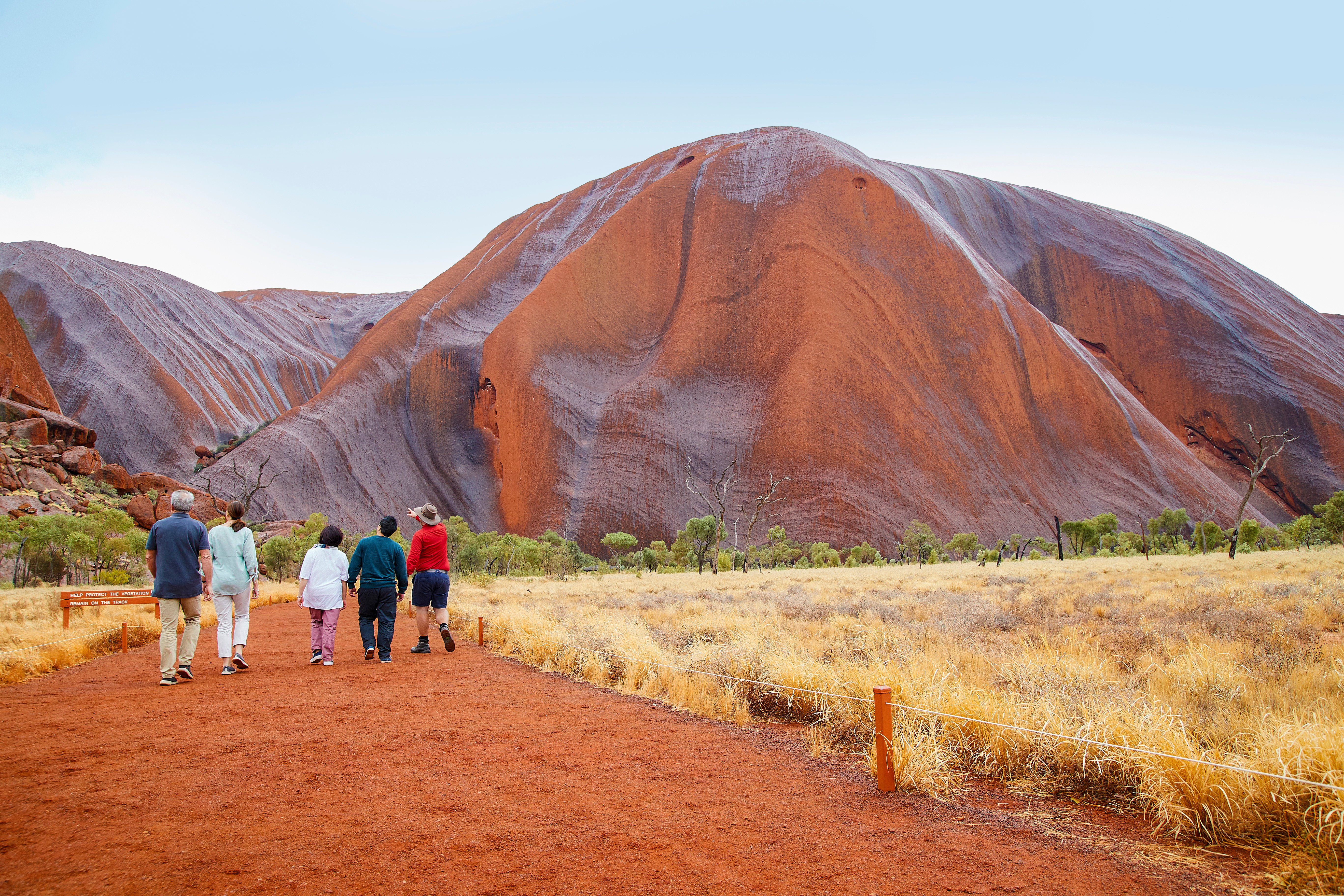
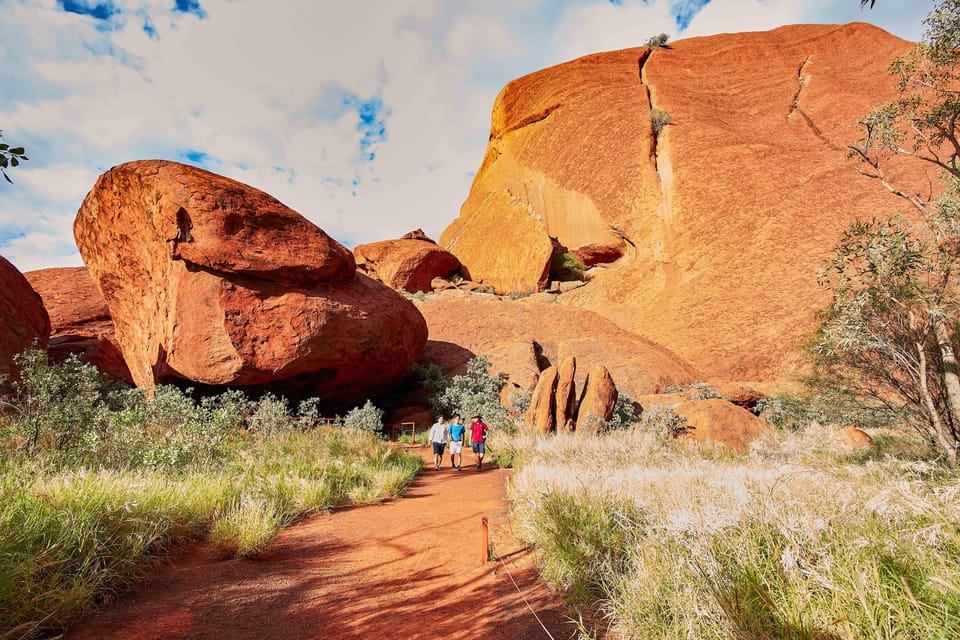
Circle the sacred monolith at dawn, discover ancient rock art, and hear Dreamtime stories from local guides.
ReservePrices from verified partners. Availability updates in real time at checkout. Free cancellation policies apply where shown.
The landmarks, rooms, and views travelers on Uluru Sunrise tours remember — all visible on a single visit.
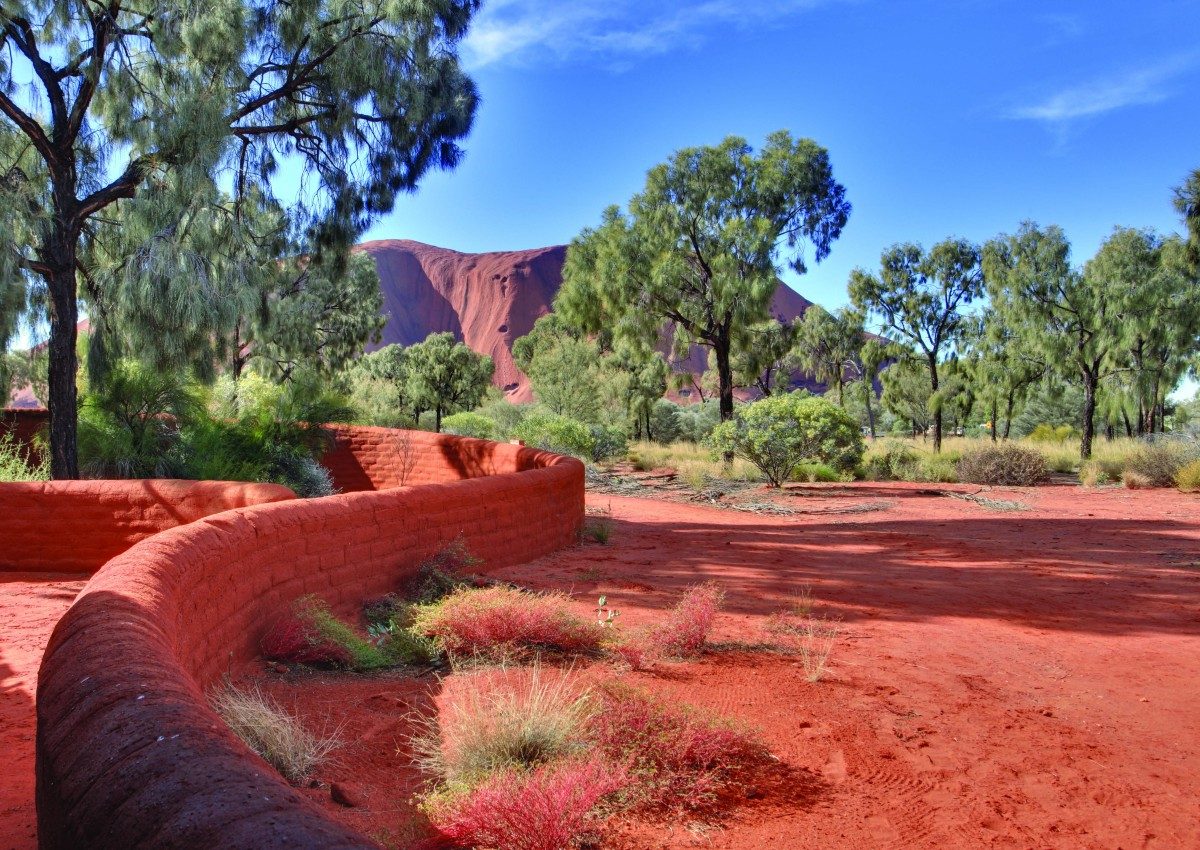
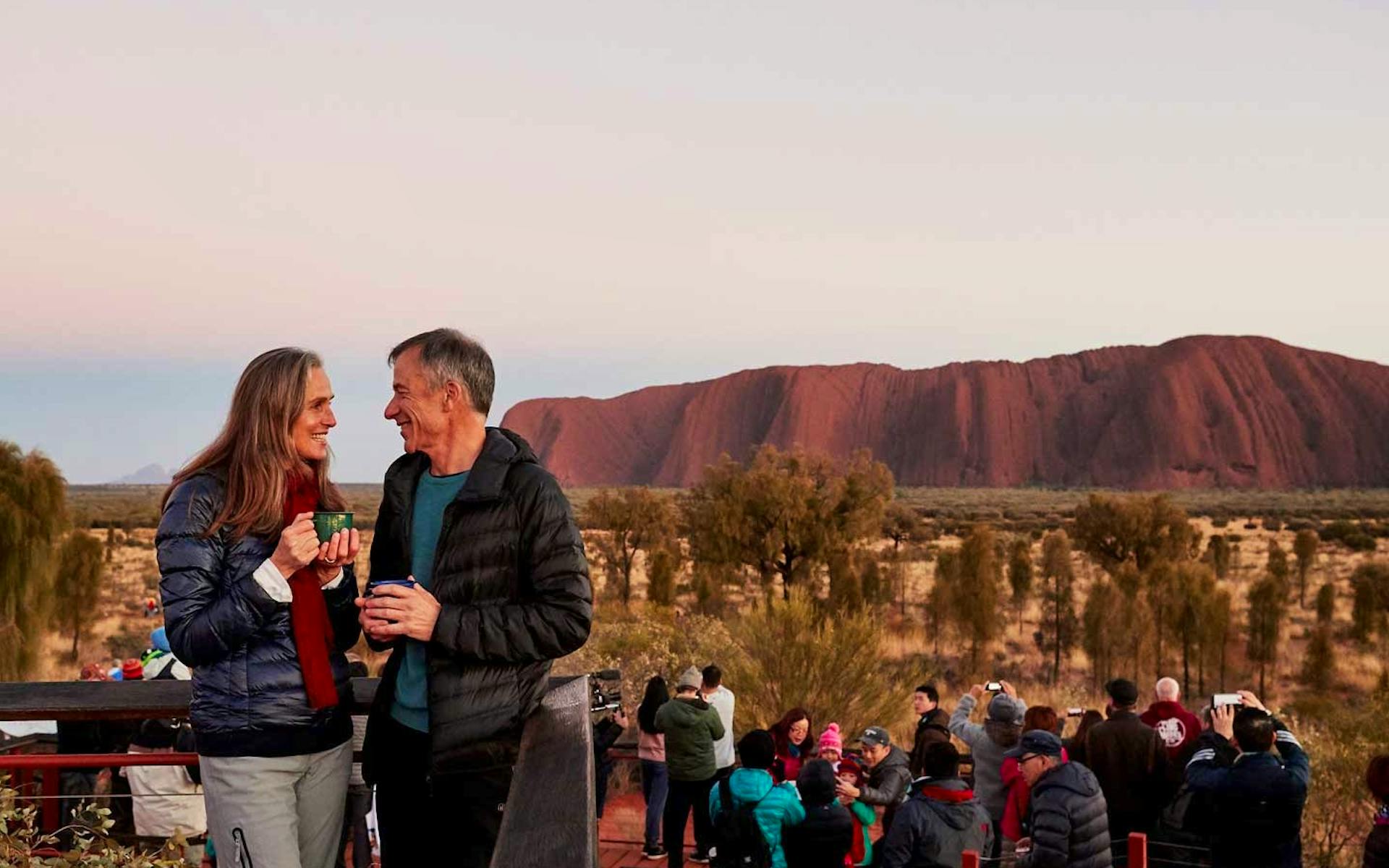
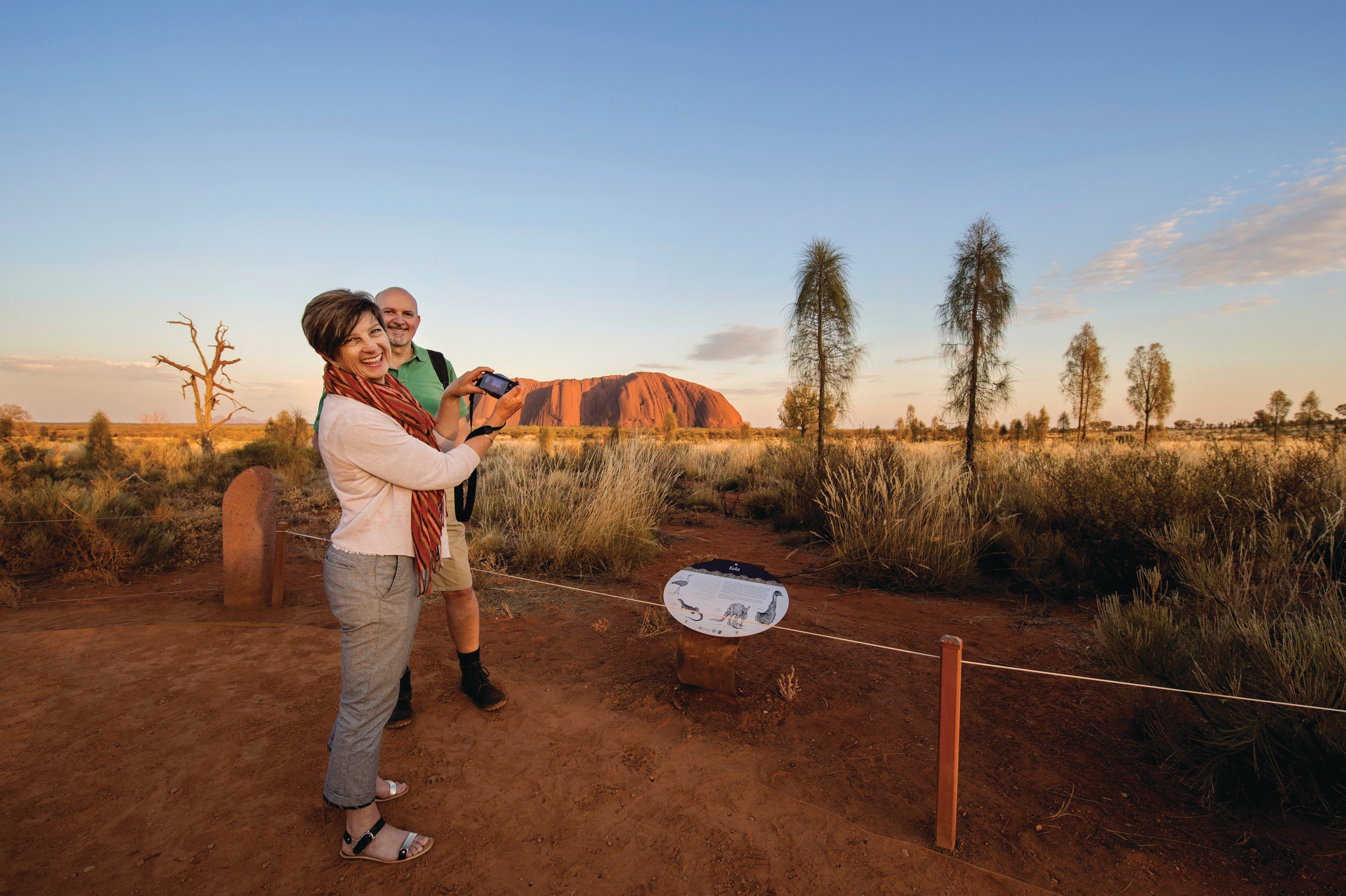
The primary viewing platform offers 360-degree views of the landscape and Uluru. It was designed to provide a distinct perspective on the changing light of dawn.
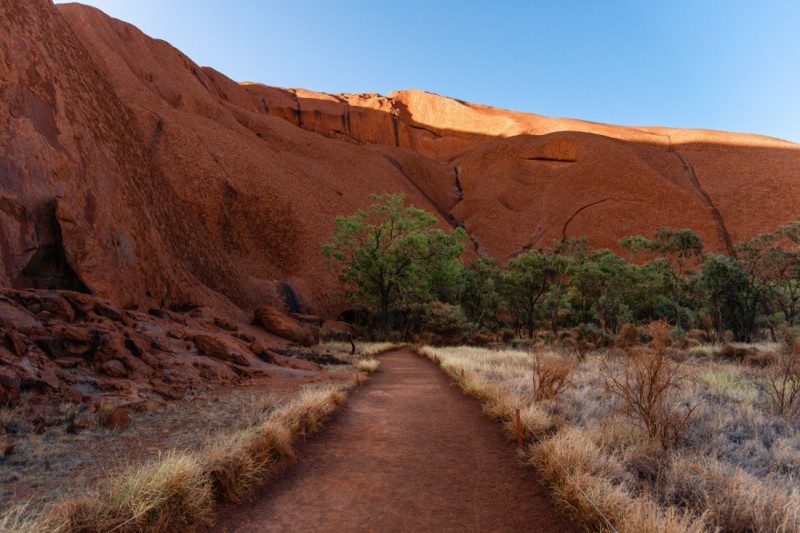
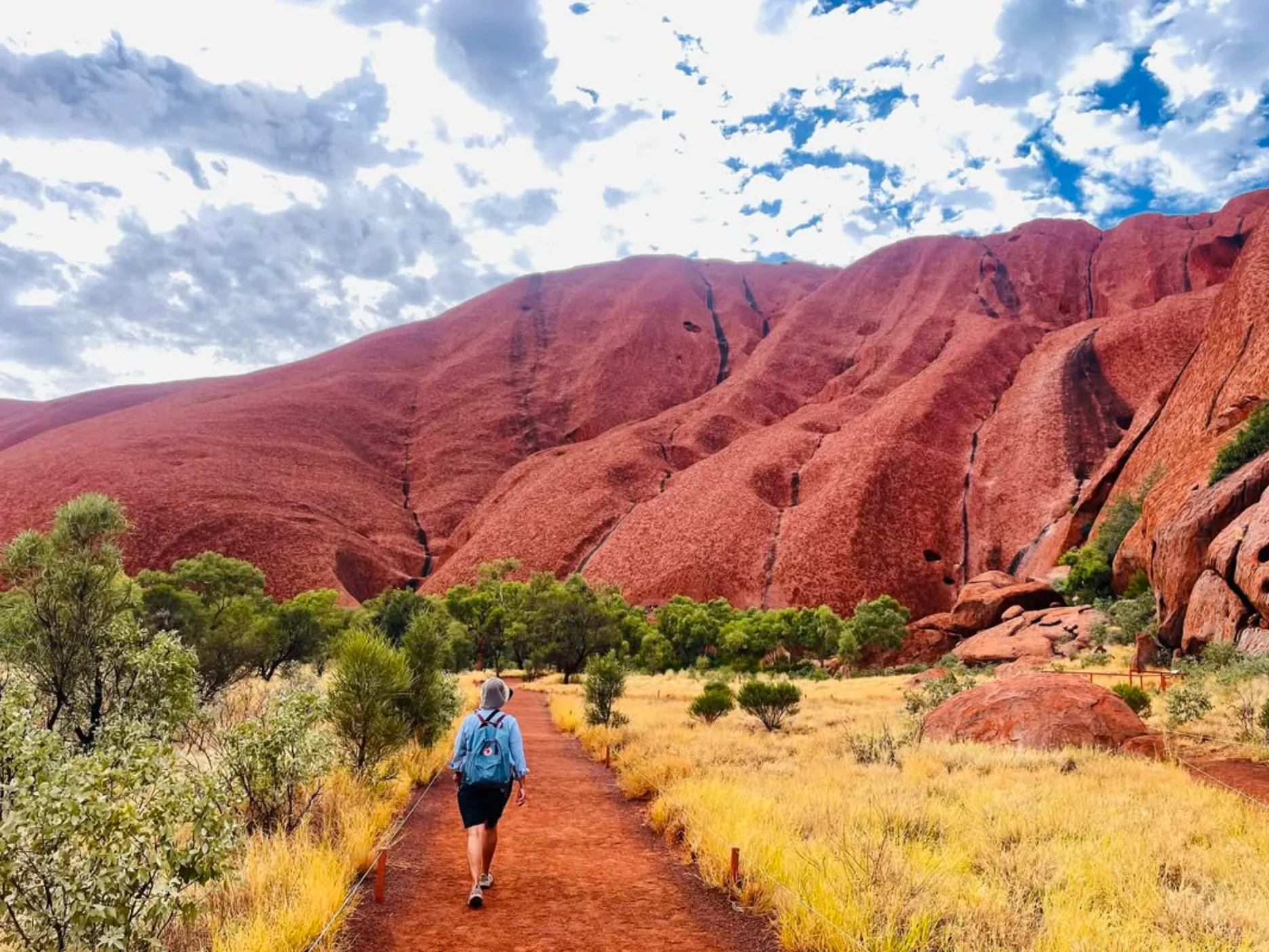
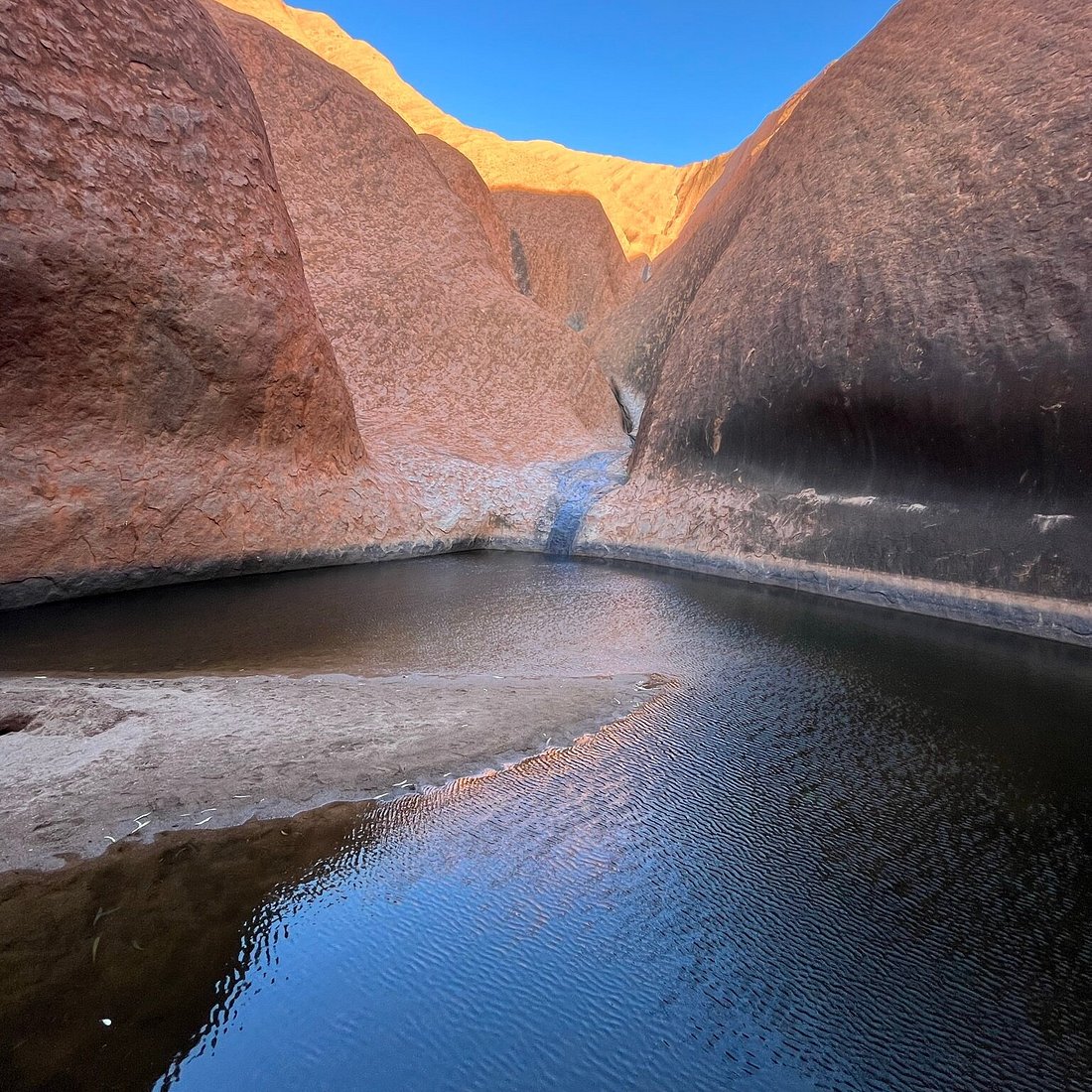
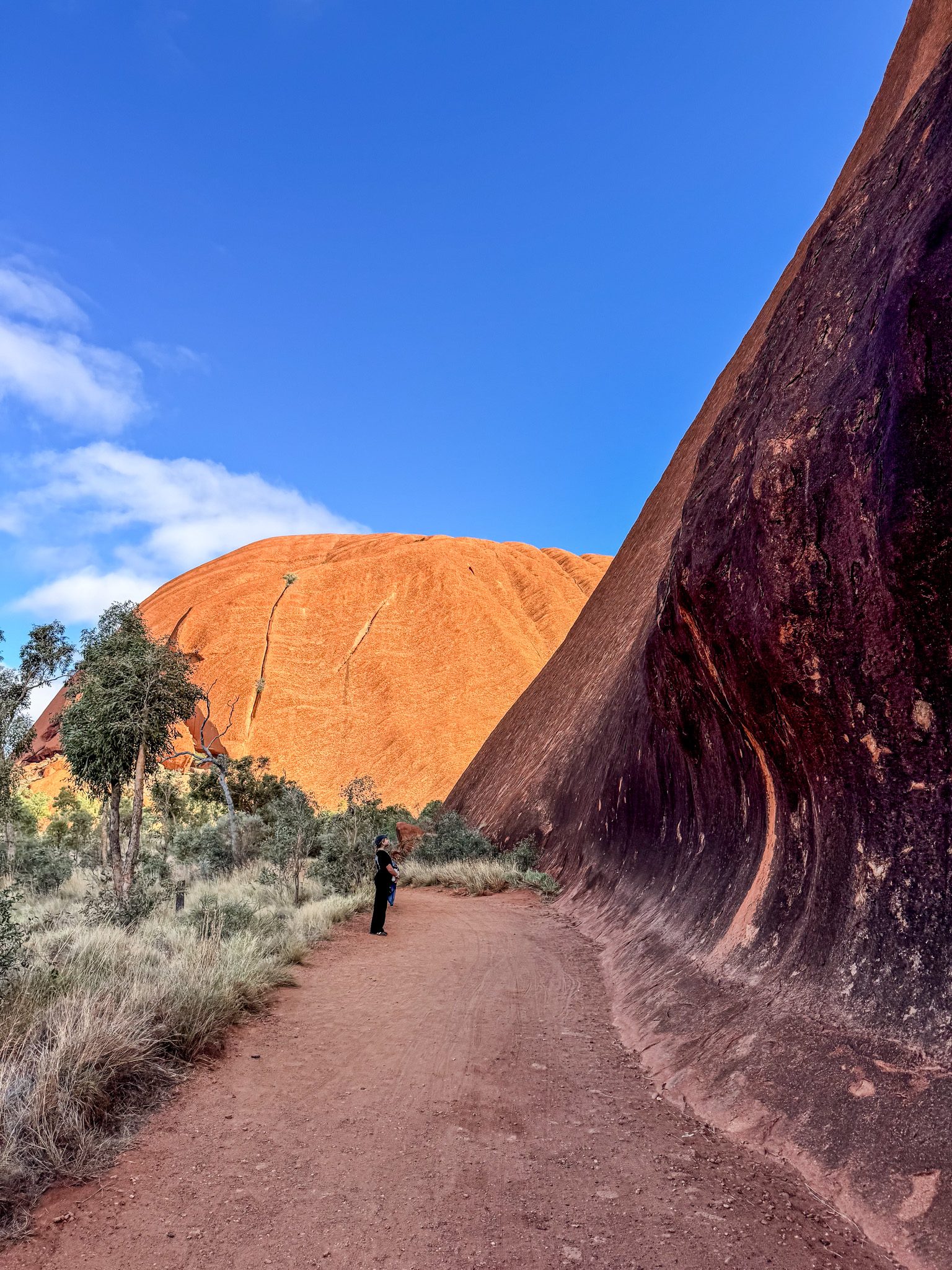
This 1-kilometre return walk leads directly to the Mutitjulu Waterhole. It features ancient rock art and significant cultural history of the local Anangu people.
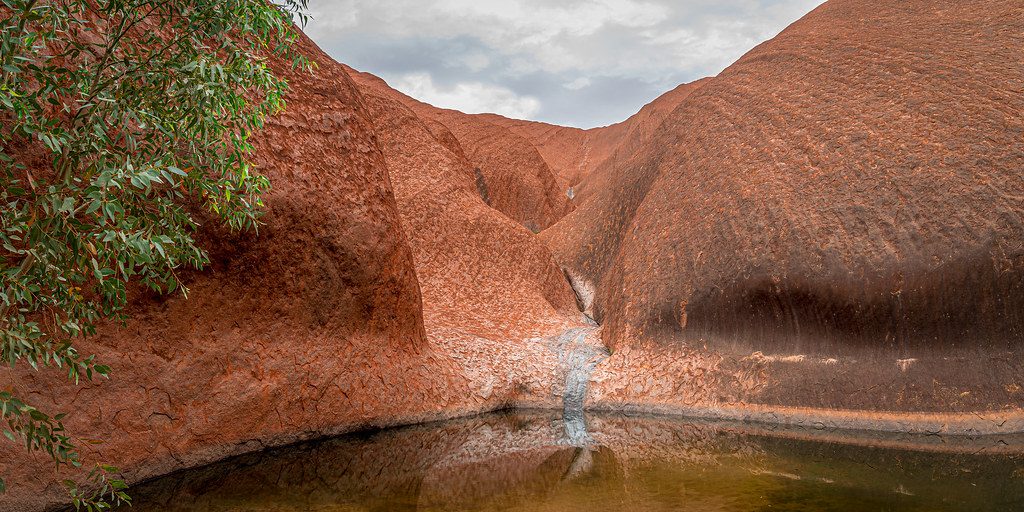
This sacred site contains water-carved rock formations and is a vital habitat. It is one of the few places where permanent water is found near the base.
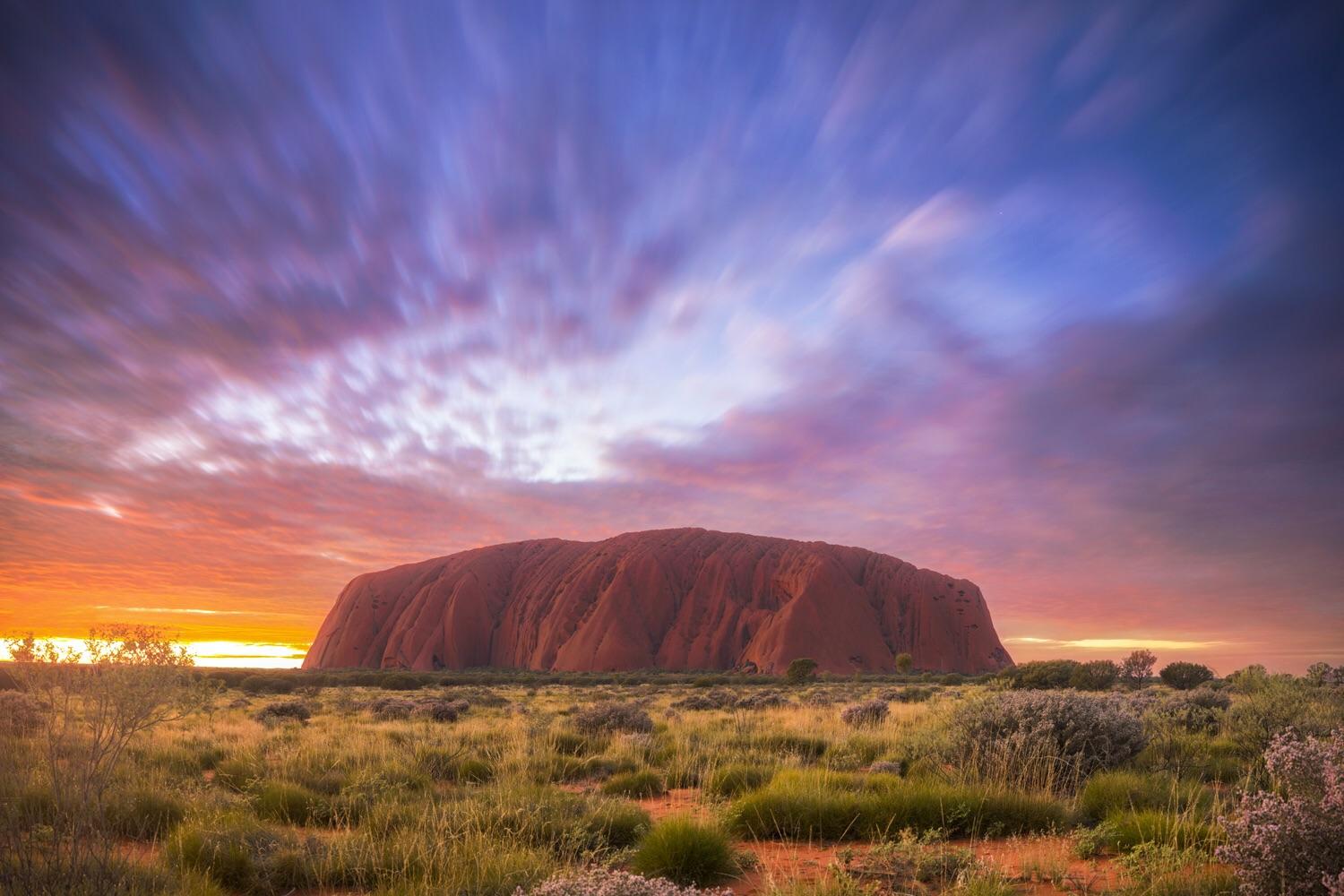
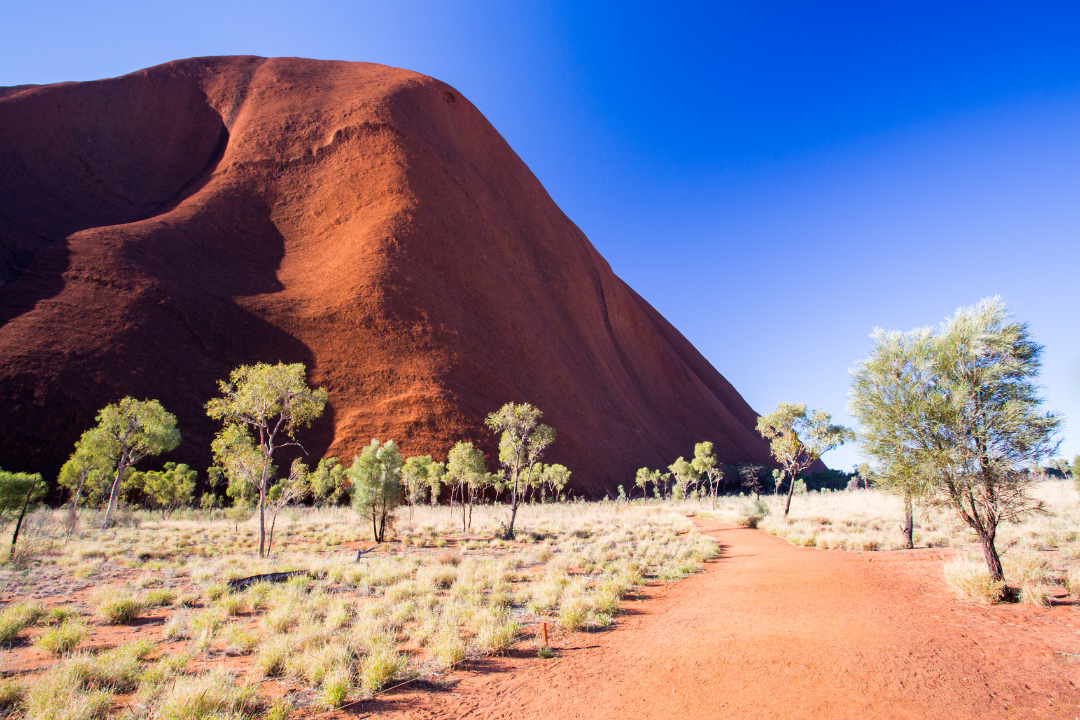
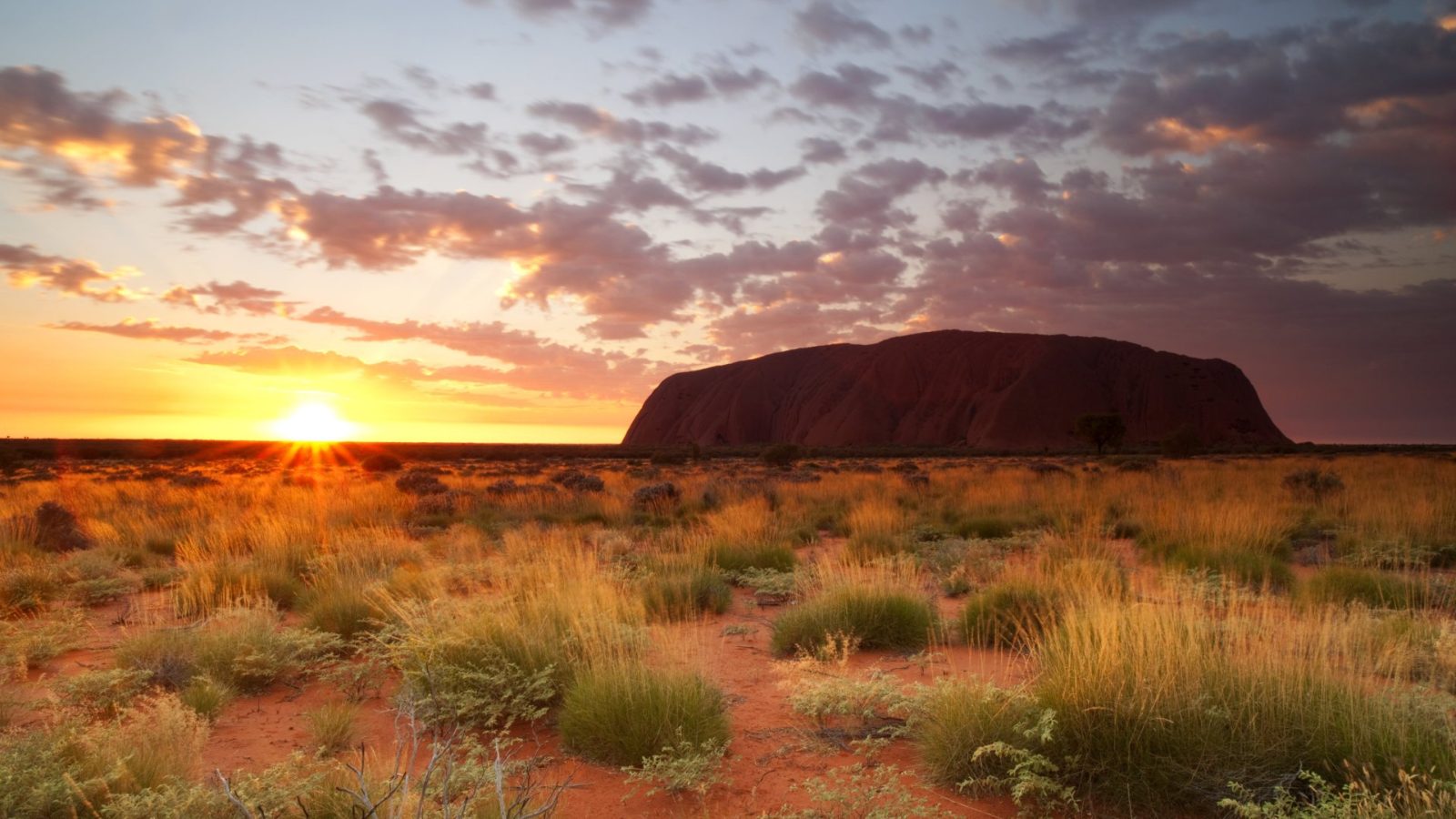
The massive monolith rises 348 metres above the desert floor. The circumference of the base is approximately 9.4 kilometres.
The centre provides essential context on the history and Tjukurpa of the area. It is managed by the local Anangu traditional owners.
Every Uluru Sunrise tour side-by-side — duration, what's included, how you redeem.
| Experience | Duration | Rating | Transfers | Pickup | Guide | Free cancel. | Price | |
|---|---|---|---|---|---|---|---|---|
|
Standard Entry Most popular
Uluru Base Segway Tour at Sunrise
|
5 hr | ★ 4.9 | ✓ | ✓ | ✓ | ✓ | €159 | Book → |
|
Standard Entry
Field of Light Sunrise Experience at Uluru
|
2 hr | ★ 4.6 | ✓ | ✓ | — | ✓ | €83 | Book → |
|
Standard Entry
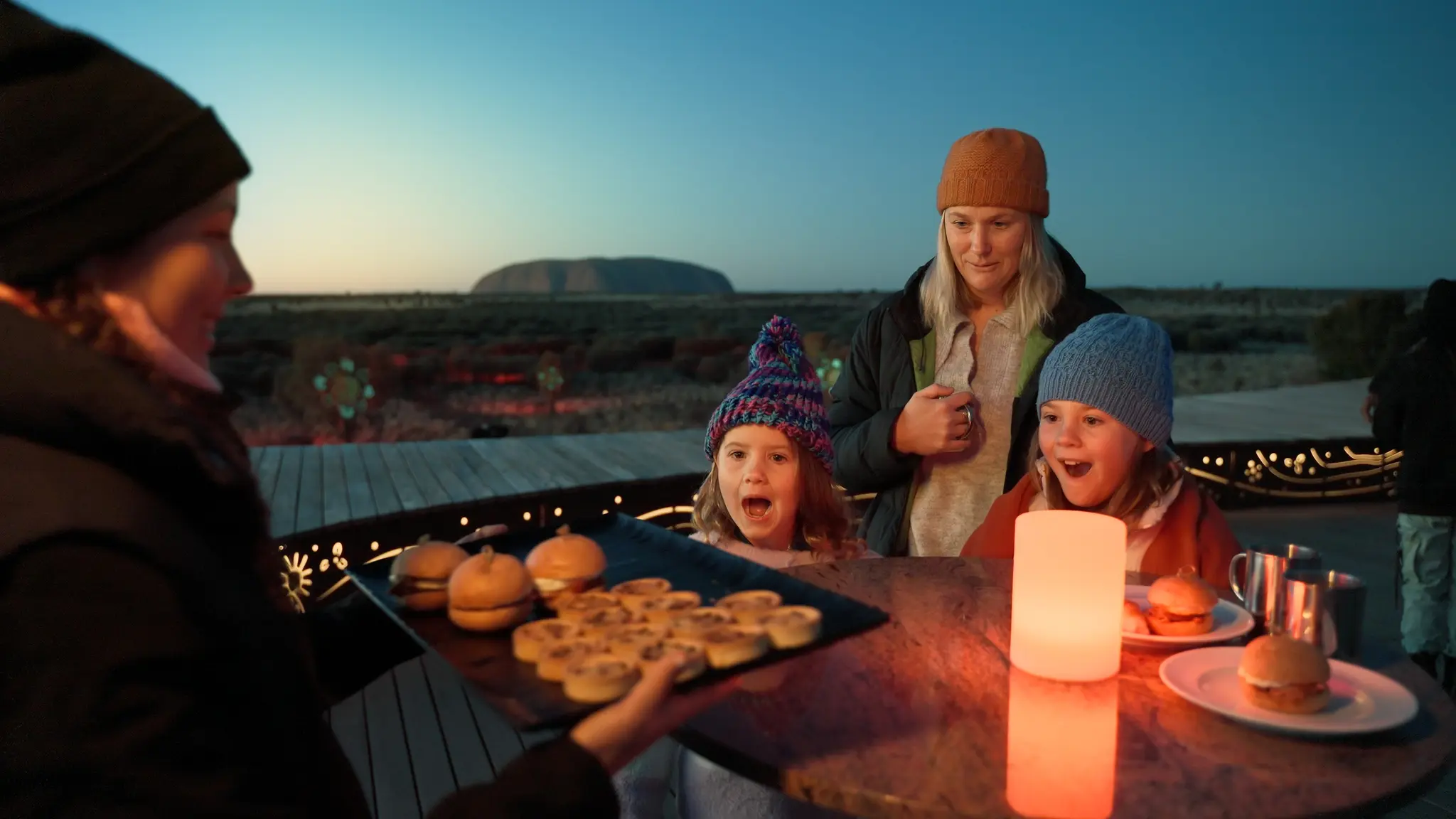
Uluru Sunrise Base Walk with Light Breakfast
|
5 hr 30 min | ★ 4.6 | ✓ | — | ✓ | ✓ | €128 | Book → |
All prices from verified partners. Availability and exact terms confirmed at checkout.
The Uluru sunrise tour offers the quintessential view of the monolith changing colors, whereas the Kata Tjuta sunrise provides a more immersive, rugged landscape experience. Most visitors who prioritize the classic desert landmarks choose the former, while those seeking solitude prefer the latter as part of their uluru sunrise tour tours.
| Feature | Top pick Uluru Sunrise | Kata Tjuta Sunrise |
|---|---|---|
Primary View |
Monolith silhouette | Domed rock formations |
Typical Crowd Levels |
High density | Moderate density |
Walking Requirement |
Low to moderate | Moderate to high |
Geological Focus |
Sedimentary sandstone | Conglomerate rock |
Photography Angle |
Panoramic light transition | Deep canyon shadows |
Primary Atmosphere |
Iconic and communal | Quiet and exploratory |
| See tickets → |
Verdict: Choose the uluru sunrise tour tickets for the most famous view in the park, or select Kata Tjuta to explore the remote Valley of the Winds through this alternative sunrise tour.
Choose your ticket, select your date, and reserve in under two minutes. Secure checkout handled by our verified partner.
Instant confirmation by email, with a mobile voucher you can save offline. No printing, no queuing at a collection desk.
Arrive at the entrance, show your voucher on your phone, and walk in. Most tickets include priority or skip-the-line access.
Practical details for Uluru Sunrise tickets straight from our verified partners — hours, access, rules, and how to get there.
Lasseter Highway
Primary viewing area for sunrise
Open in Google MapsDrive via Lasseter Highway to the park entry station.
Operators provide transport from Yulara resorts.
Wear sturdy walking shoes and layered clothing for changing desert temperatures. A hat and sunglasses are recommended for protection against morning glare.
Personal bags are permitted but must be kept with you at all times. Security reserves the right to check items at the park entrance.
Photography is encouraged for personal use at designated viewing areas. Respect cultural restrictions by not photographing sites marked with 'no photography' signs.
Main sunrise viewing platforms are paved and wheelchair accessible. Accessible toilets are located near the primary parking areas.
Mobile reception can be limited within the park boundaries. Download any necessary maps or information before entering the national park.
Children are welcome on an uluru sunrise tour provided they remain supervised. Consider the early start times when planning for younger participants.
Bring your own water bottle as hydration is critical in the arid climate. Food is not typically provided during a standard uluru sunrise tour.
Pets are strictly prohibited within the national park to protect native wildlife. Service animals are permitted with prior coordination.
Ensure you arrive 45–60 minutes before sunrise for parking and to capture the pre-dawn colour changes. Always stay on marked paths to protect the fragile desert environment.
Best time to go, insider tips, nearby landmarks, and the cancellation fine print — flip through to skim what matters to you.
How crowds, weather, and events shift across the year.
Clear skies and cool mornings ideal for an uluru sunrise tour.
Mild temperatures before the peak heat of summer arrives.
Very high temperatures require early morning visits.
Pleasant conditions for exploring the park landscape.
Small details that turn a good visit into a great one.
Verify park conditions and sunrise times online before your uluru sunrise tour.
Carry at least one litre of water for every hour of walking.
The desert sun is intense even during an early morning uluru sunrise tour.
Follow all signs regarding sacred sites and restricted photography.
Arrive 45–60 minutes before sunrise to secure a spot at Talinguru Nyakunytjaku.
Temperatures can be near freezing before an uluru sunrise tour starts.
Protect the ecosystem by remaining on marked walking tracks.
Purchase your 38 AUD pass online before arriving at the gate.
Non-bookable sights within a short walk — free to visit, easy to pair.
A permanent water source featuring ancient rock art.
A gentle path leading to the base of the rock.
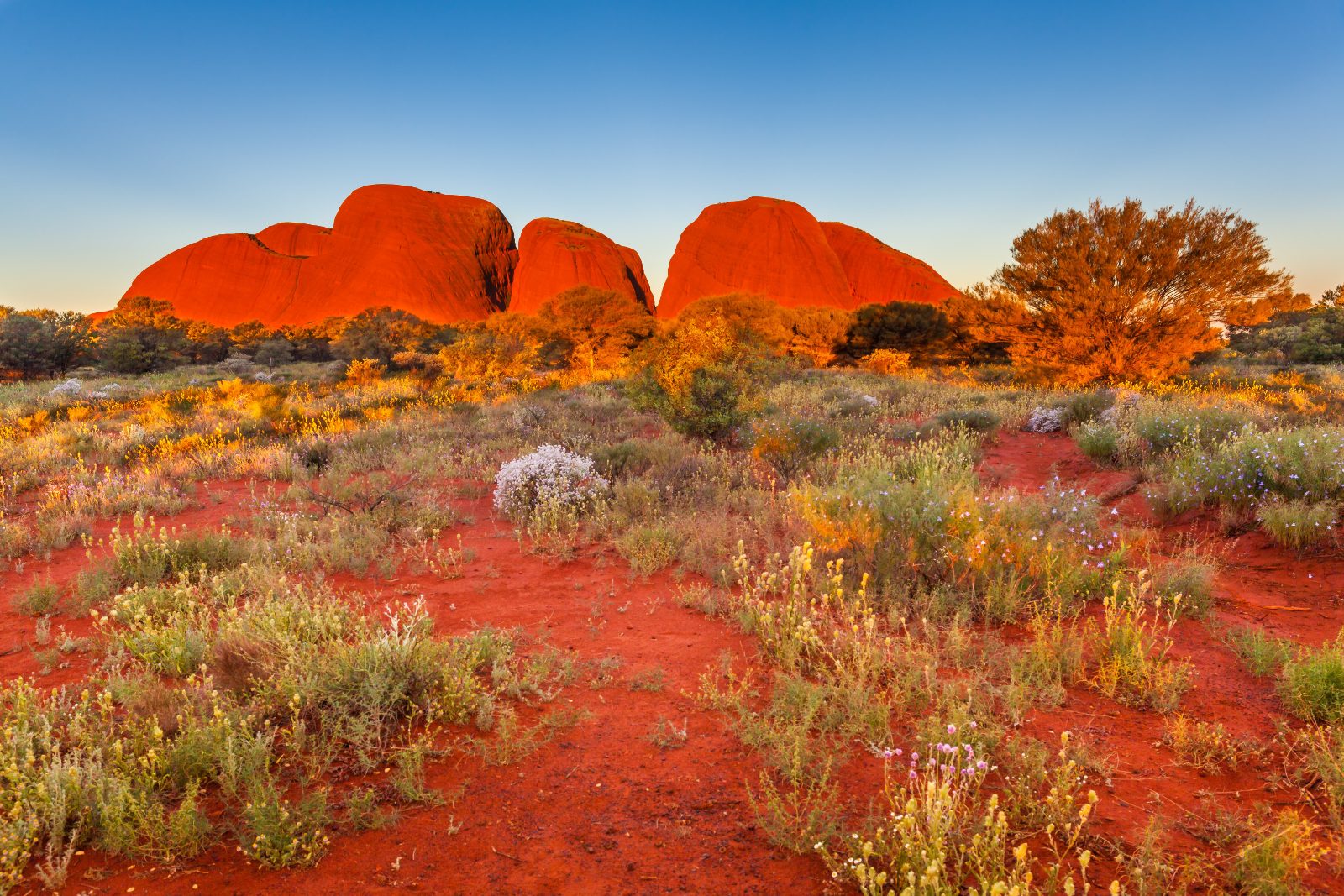
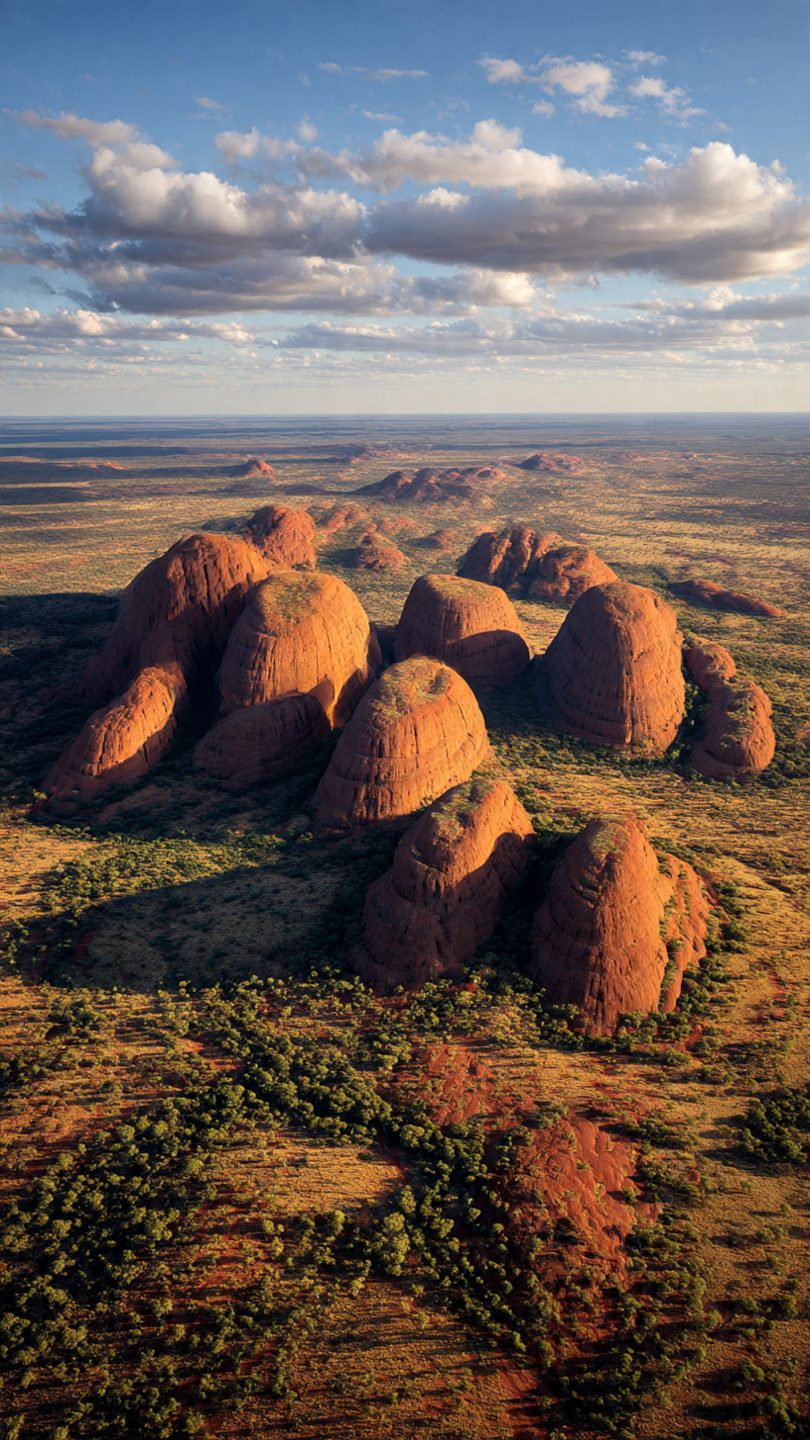
Massive rock domes located within the same park.
Flexible, no hidden fees.
Cancellations must be requested at least 24 hours in advance to be eligible for a refund. The 38 AUD conservation fee is subject to the park's specific entrance terms.
Hand-picked options within walking distance — pick a district for vibe, or a specific hotel for convenience.
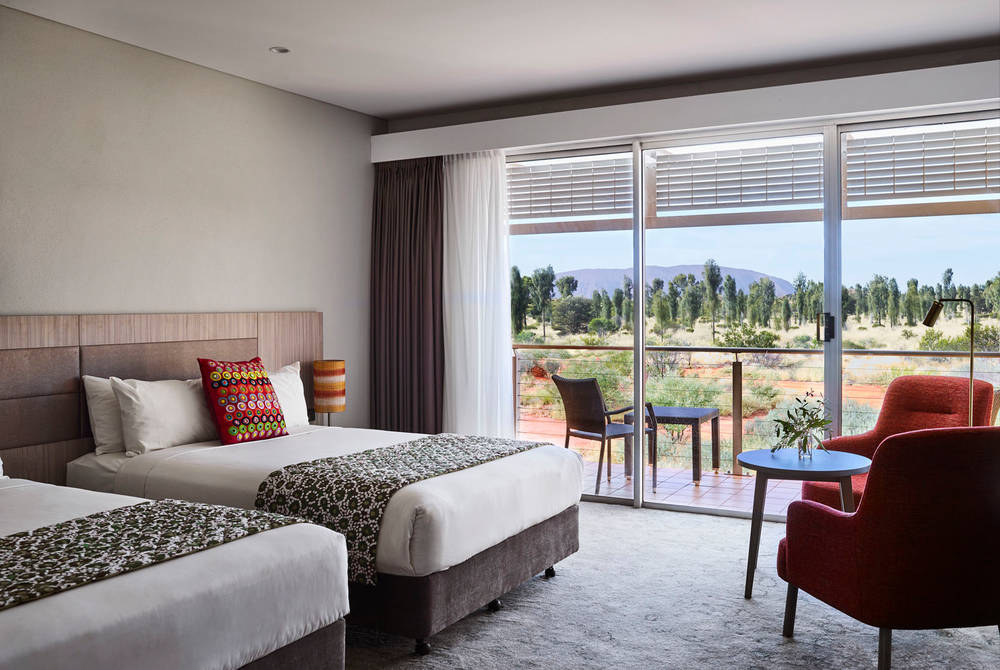
Located in Yulara with views of the landscape.
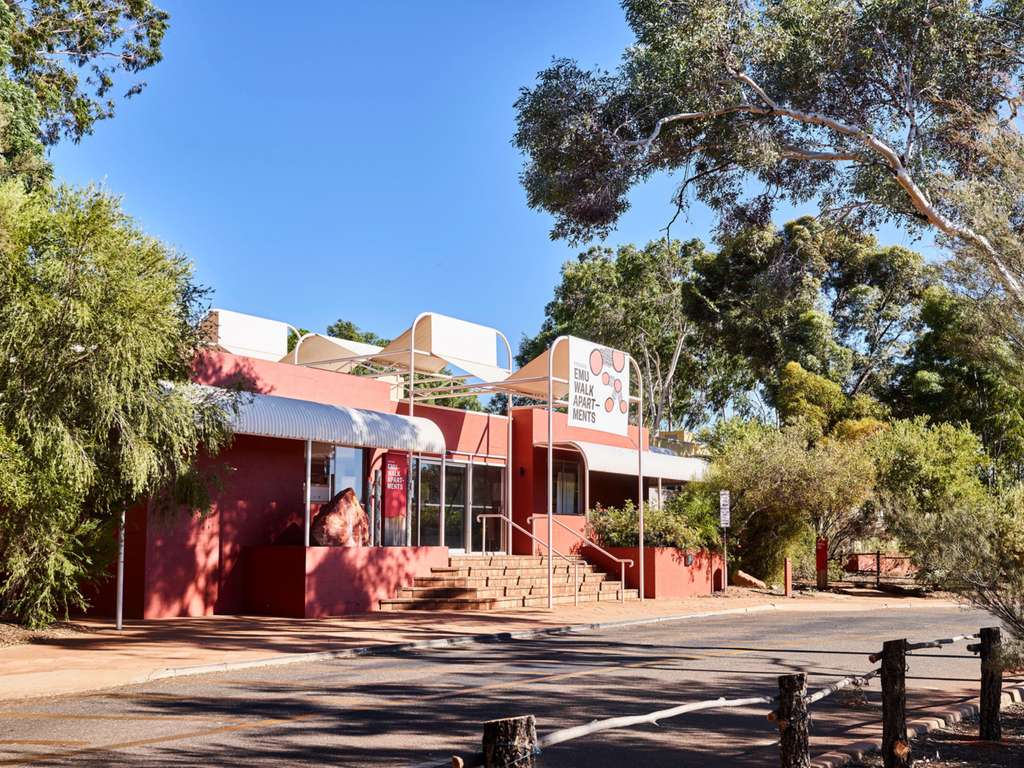
Self-contained units suitable for families.
Standard lodge accommodation in the resort area.
Uluru rises 348 metres above the sandplain, yet most of the formation lies buried — geologists estimate several kilometres of arkose sandstone continue beneath the desert floor. The visible rock is the tip of a far larger bed, tilted almost vertically by tectonic folding.
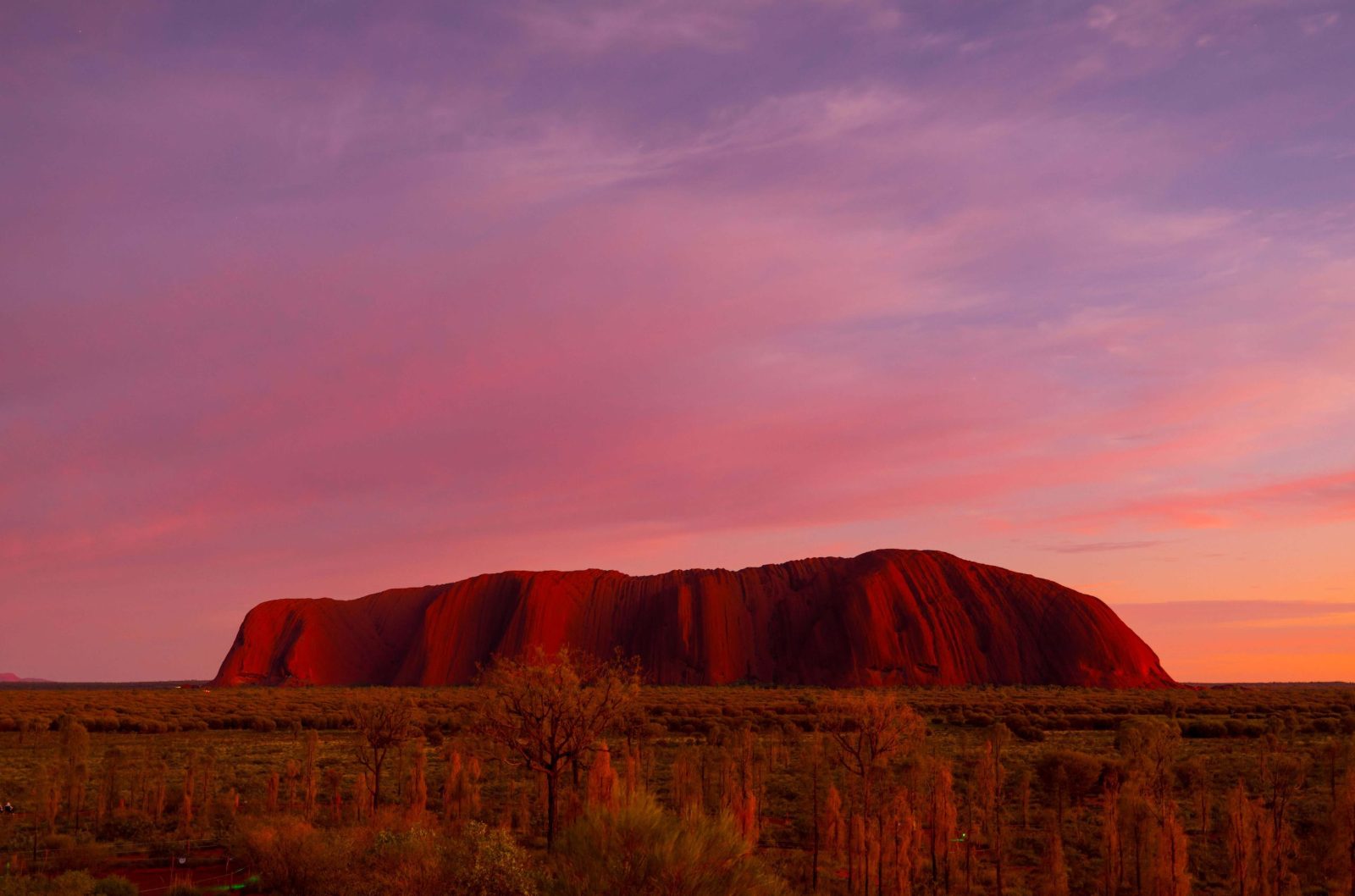
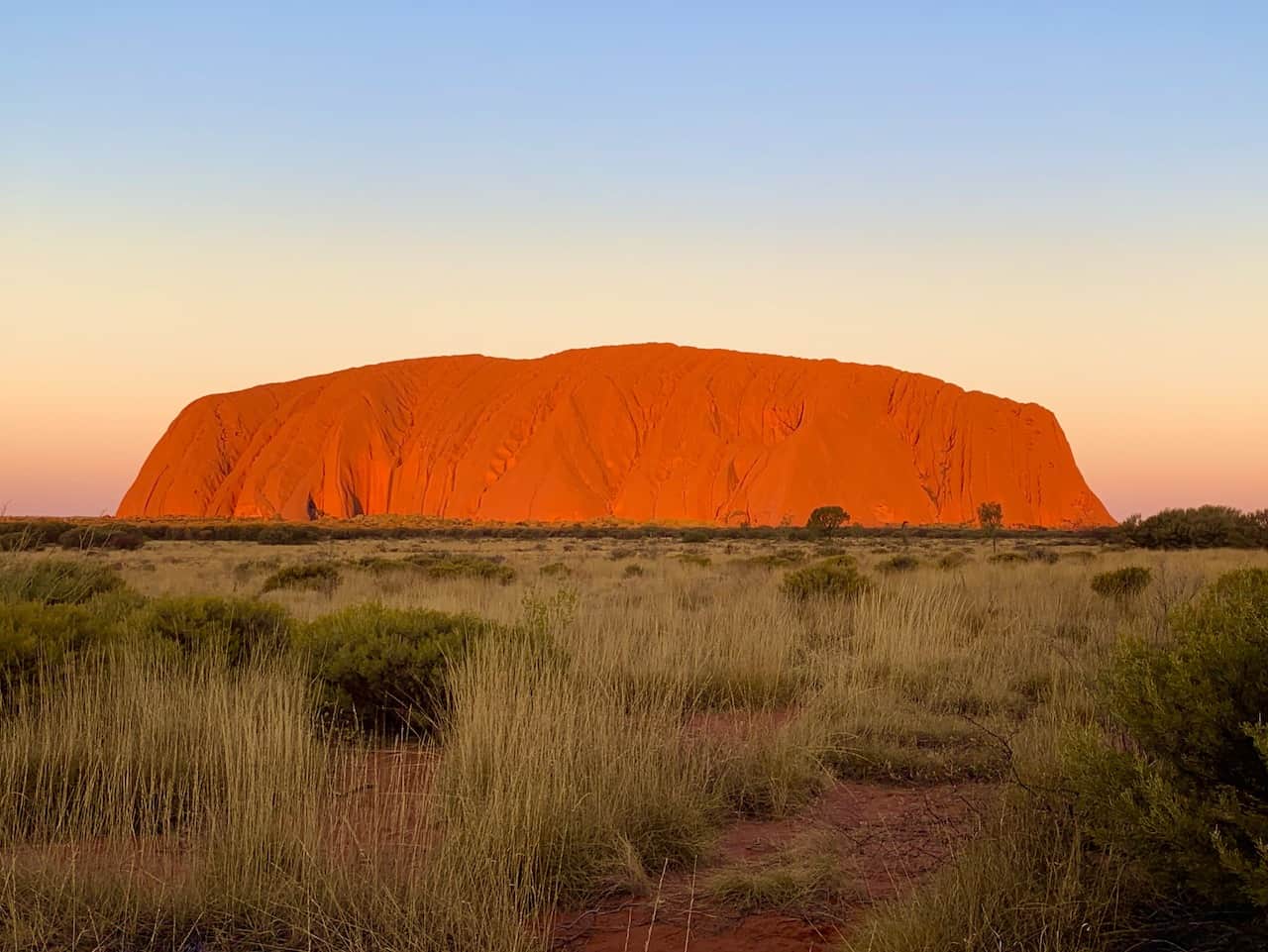
Iron-bearing minerals oxidise at the exposed surface, which is why the sandstone reads rust-red at first light and grey where water has stripped the outer skin. A uluru sunrise tour exists because of that chemistry: for roughly forty minutes, low-angle light moves the eastern face through violet, copper and orange.
For Anangu — the Pitjantjatjara and Yankunytjatjara traditional owners — the formation is not scenery but record. Its fissures, caves and waterholes carry Tjukurpa: law, story and instruction held in the land itself. Freehold title returned to Anangu on 26 October 1985, and the park has been jointly managed with Parks Australia ever since. UNESCO listed it twice, for natural values in 1987 and as a cultural landscape in 1994. The climb closed permanently on 26 October 2019, at the request of the traditional owners.
Operators run under many labels. Coach transfers from Yulara sell as an ayers rock sunrise tour; small-group uluru sunrise tours pair the dune platform with the Mala Walk; a uluru sunrise tour aat kings departure adds a cooked breakfast; a uluru sunrise walk follows part of the 10.6-kilometre base track; and a longer uluru sunrise trip continues west to the 36 domes of Kata Tjuta. Catalogues file the whole category as uluru sunrise tour tours, and each individual dawn departure as a uluru sunrise tour tour, with uluru sunrise tour tickets normally listed alongside the park conservation fee of 38 AUD (3-day pass for adult 18 years and over).
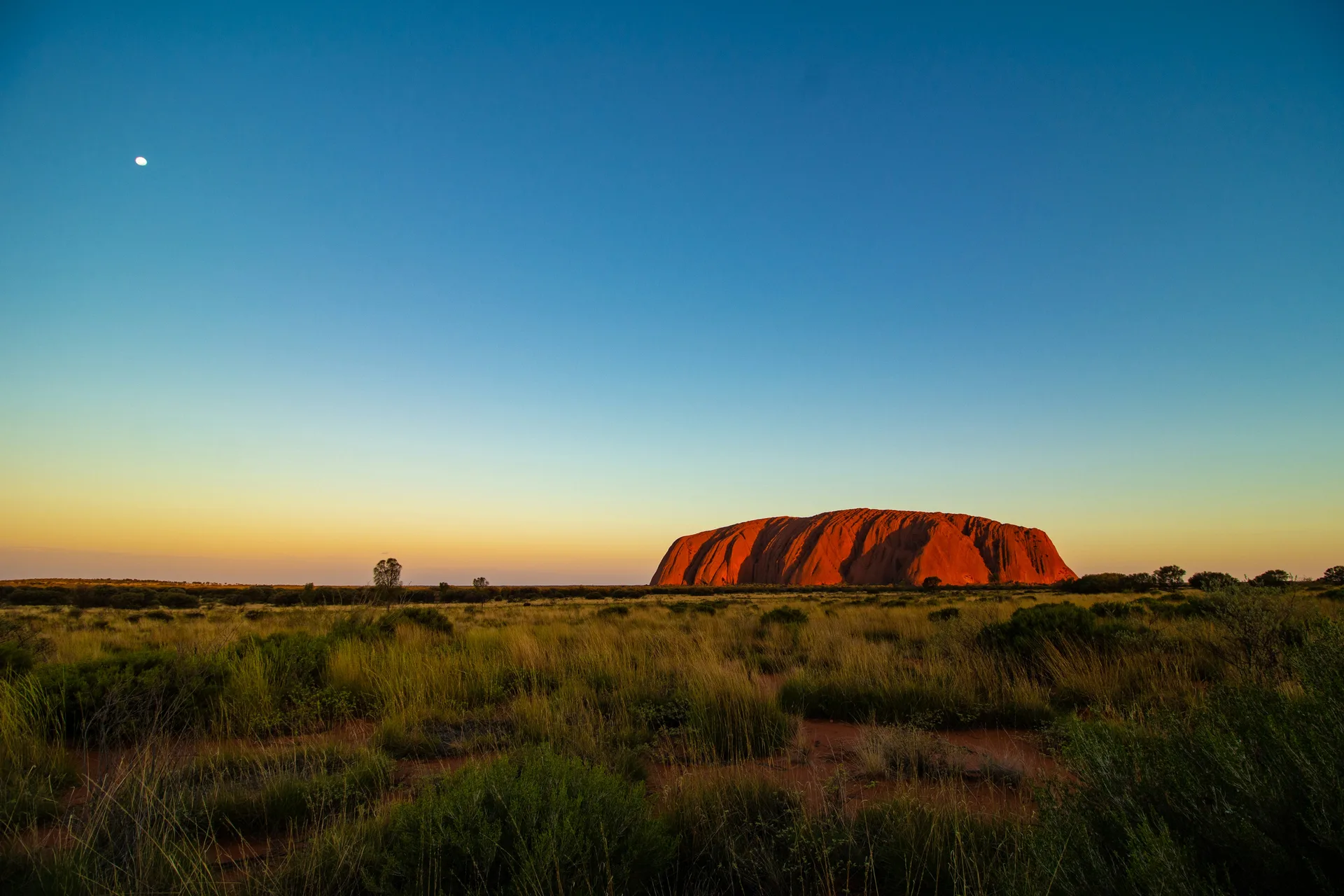
Dawn viewing was formalised in 2009 with Talinguru Nyakunytjaku, Pitjantjatjara for a place to look from the sand dune. The platform sits east of the rock and was designed with Anangu so visitors face both Uluru and Kata Tjuta without walking on sensitive ground. There is no interpretive display up there, no lighting scheme, nothing engineered to compete with the geology; the Cultural Centre, a short drive from the base, carries the interpretation instead. What is left at daybreak is a 9.4-kilometre circumference of sandstone, the Mutitjulu waterhole still in shadow on the southern flank, and mulga scrub turning from black to olive. The uluru sunrise tour endures less as spectacle than as a scheduled act of attention.

"What is left at daybreak is a 9.4-kilometre circumference of sandstone and the discipline of looking at it."
A step-by-step walkthrough of Uluru Sunrise tickets — what you'll see, how long each stage takes, and the details that matter.
You leave Yulara in the dark with a thermos and a fleece, because the desert holds almost no heat overnight. The gate on Lasseter Highway opens at 05:00, and your uluru sunrise tour tickets cover the 38 AUD conservation pass, valid three days.
Aim for the arrival window of 05:00–06:30 — 45 to 60 minutes before sunrise — which buys you a parking bay and the pre-dawn colour changes instead of a scramble.
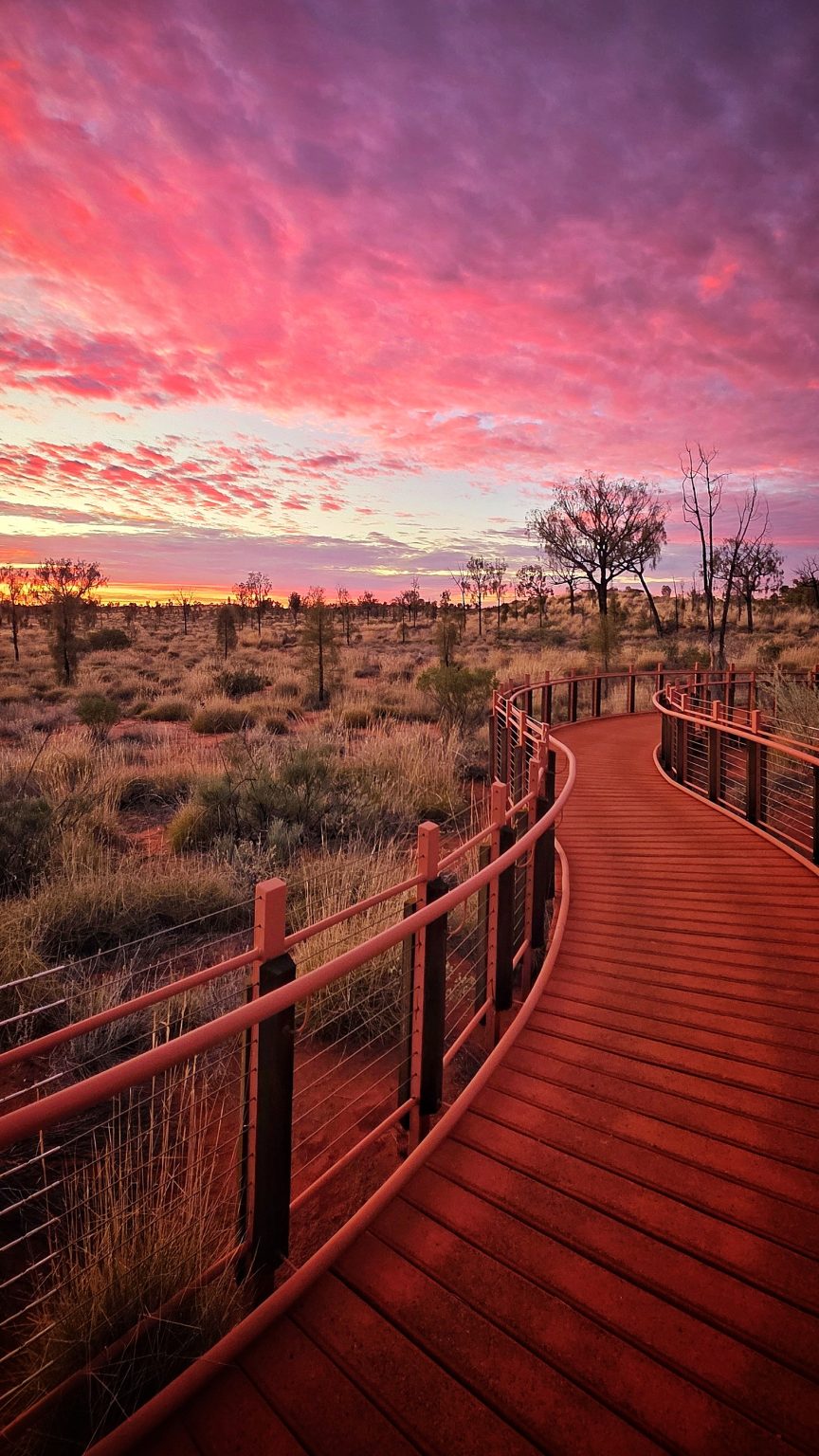
You climb the sealed boardwalk at Talinguru Nyakunytjaku by torchlight, roughly 600 metres of gentle grade from the car park to the eastern lookout. You pick a section of rail. To your left, Kata Tjuta's domes sit low and blue on the horizon. Ahead, Uluru is still a flat black cutout with no depth at all.
Then the edge catches. You watch the eastern face shift from ash to plum to a hard orange, the vertical gullies filling in last, the shadow line dropping down the flank in visible increments. Crested pigeons start up in the mulga. The people around you stop talking without deciding to.
Afterwards you take the loop road to the base, where an ayers rock sunrise tour typically sets its group down for the Mala Walk. You hold a hand near the sandstone — not on it — and find the surface already warm. Later you turn off for the Cultural Centre, for water, shade and the Anangu account of what you have just watched happen.
The park opens daily at 05:00 for visitors.
The conservation fee is 38 AUD for a 3-day pass.
Yes, various operators offer private options for those seeking an exclusive uluru sunrise tour experience.
Bring water, sunscreen, a hat, and a camera to capture the morning light.
Yes, the Talinguru Nyakunytjaku platform is wheelchair accessible.
Arrive 45–60 minutes before sunrise for parking and to capture the pre-dawn colour changes.
There are no specific age limits for an uluru sunrise tour.
No, the 38 AUD entrance fee is a separate conservation charge payable to the national park.
The experience continues, as the changing light on the landscape remains unique even in cloudy weather.
There are no food facilities at the viewing site, so bring supplies from Yulara.