5 hr
Uluru Base Segway Tour at Sunrise
Glide around the sacred rock at dawn on a Segway, exploring waterholes and learning Anangu stories
Reserve
Sandstone turns from ash to ember, wheels hum across red earth.
Hand-picked by our editors — only the best 5 experiences from 46 reviewed.
Verified partners for every tour, free cancellation where available, and instant confirmation on every booking.
5 hr
Glide around the sacred rock at dawn on a Segway, exploring waterholes and learning Anangu stories
Reserve
5 hr
Glide around Australia's iconic monolith on a Segway, then explore sacred sites and rock art on foot
Reserve
5 hr
Watch the Red Centre ignite at dawn, then explore Kata Tjuta's domes and Walpa Gorge on a guided bus tour.
ReservePrices from verified partners. Availability updates in real time at checkout. Free cancellation policies apply where shown.
The landmarks, rooms, and views travelers on this tour remember — all visible on a single visit.
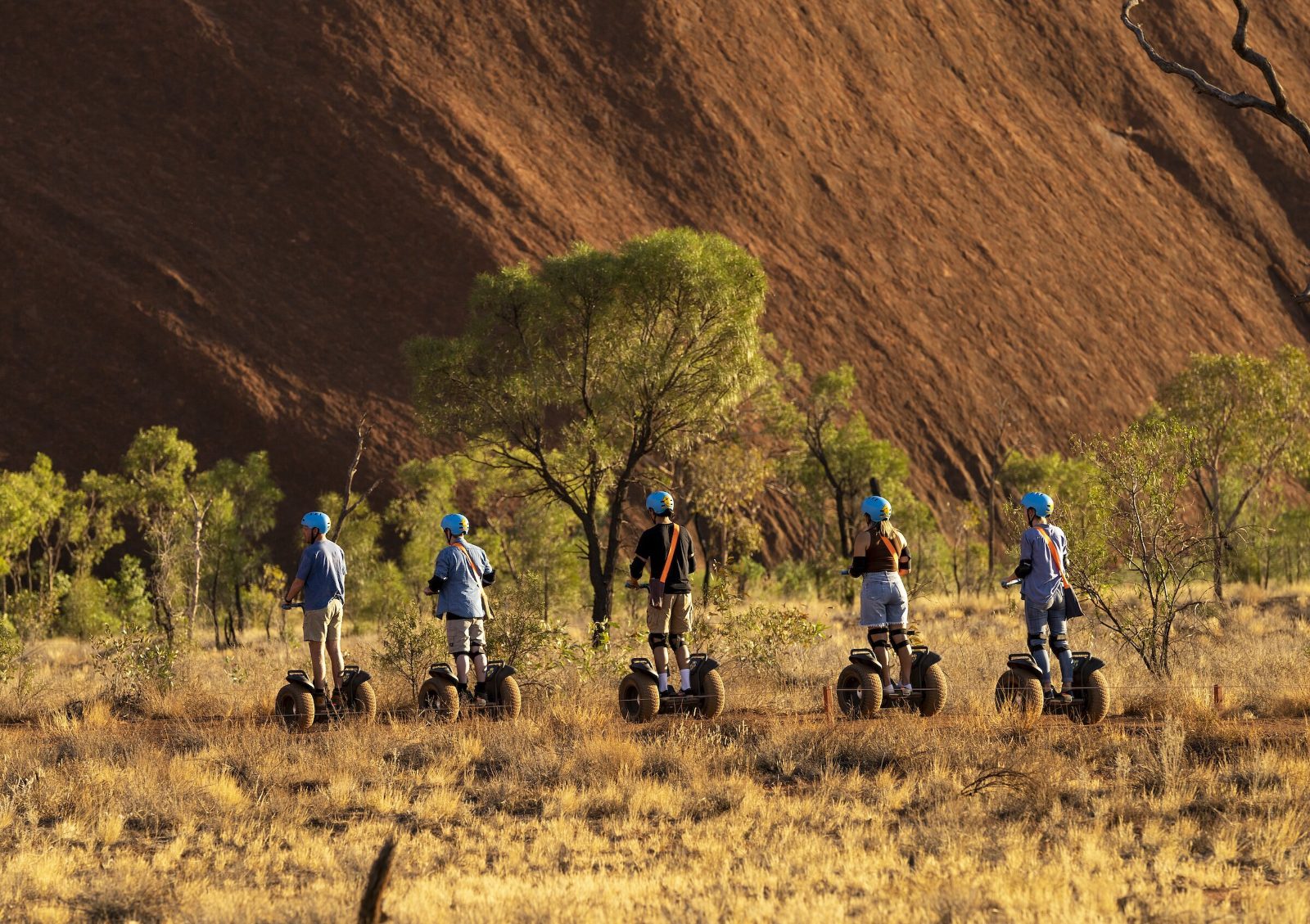
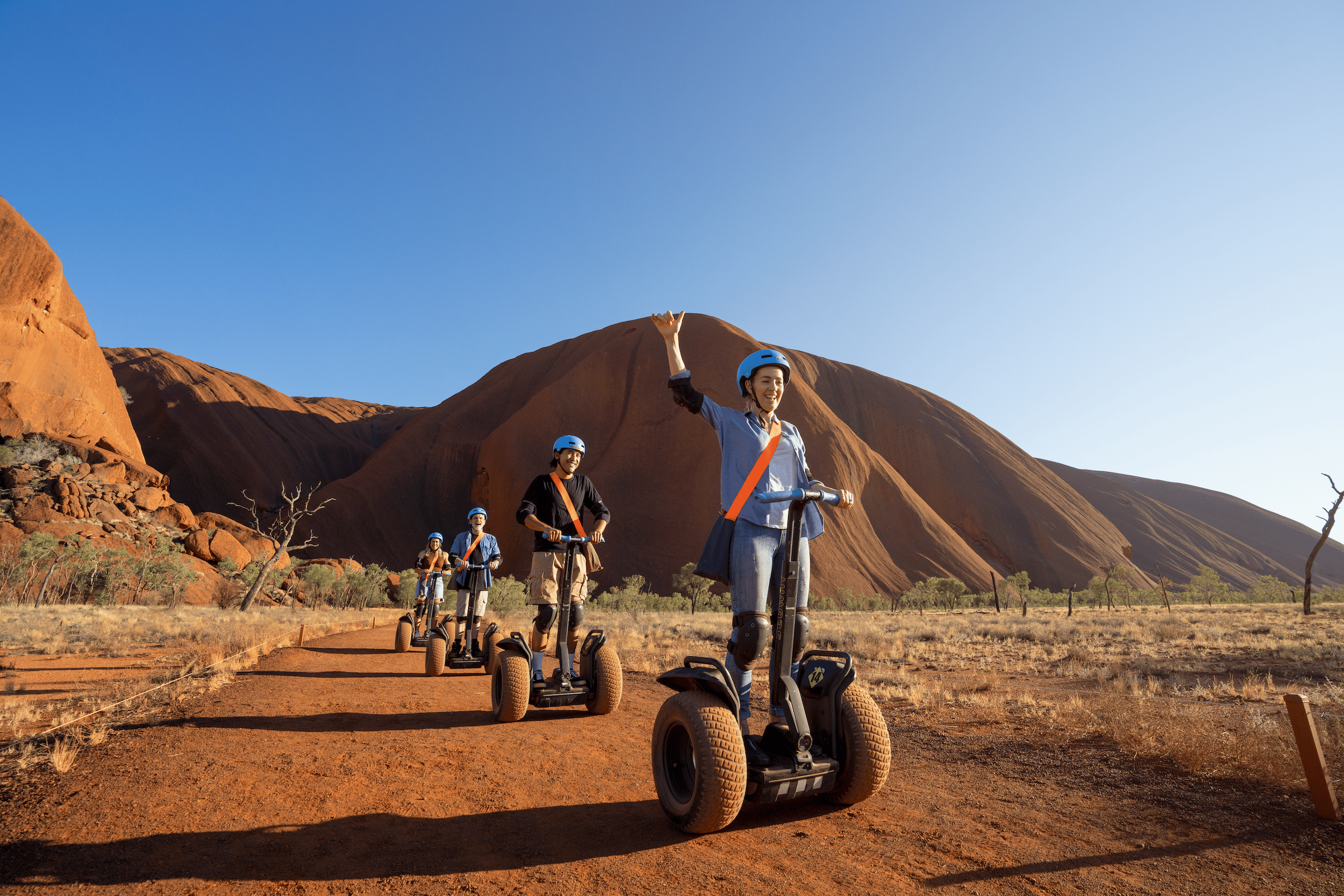
The massive sandstone monolith is the primary feature visible on the uluru sunrise segway tour. It stands 348 meters high and is central to local Anangu culture.
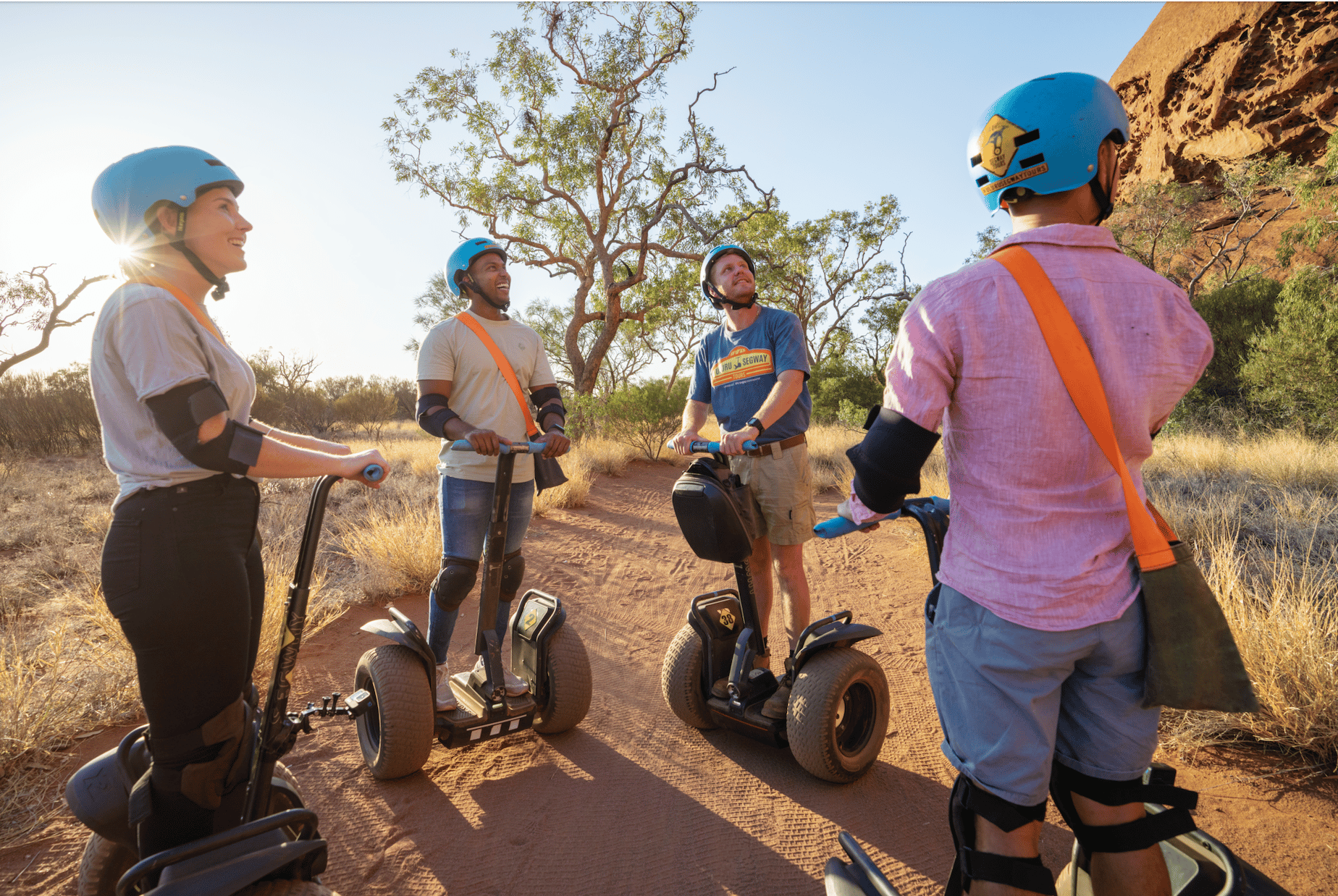
The flora surrounding the base provides habitat for diverse wildlife. These hardy plants have adapted to the arid climate of the Northern Territory.
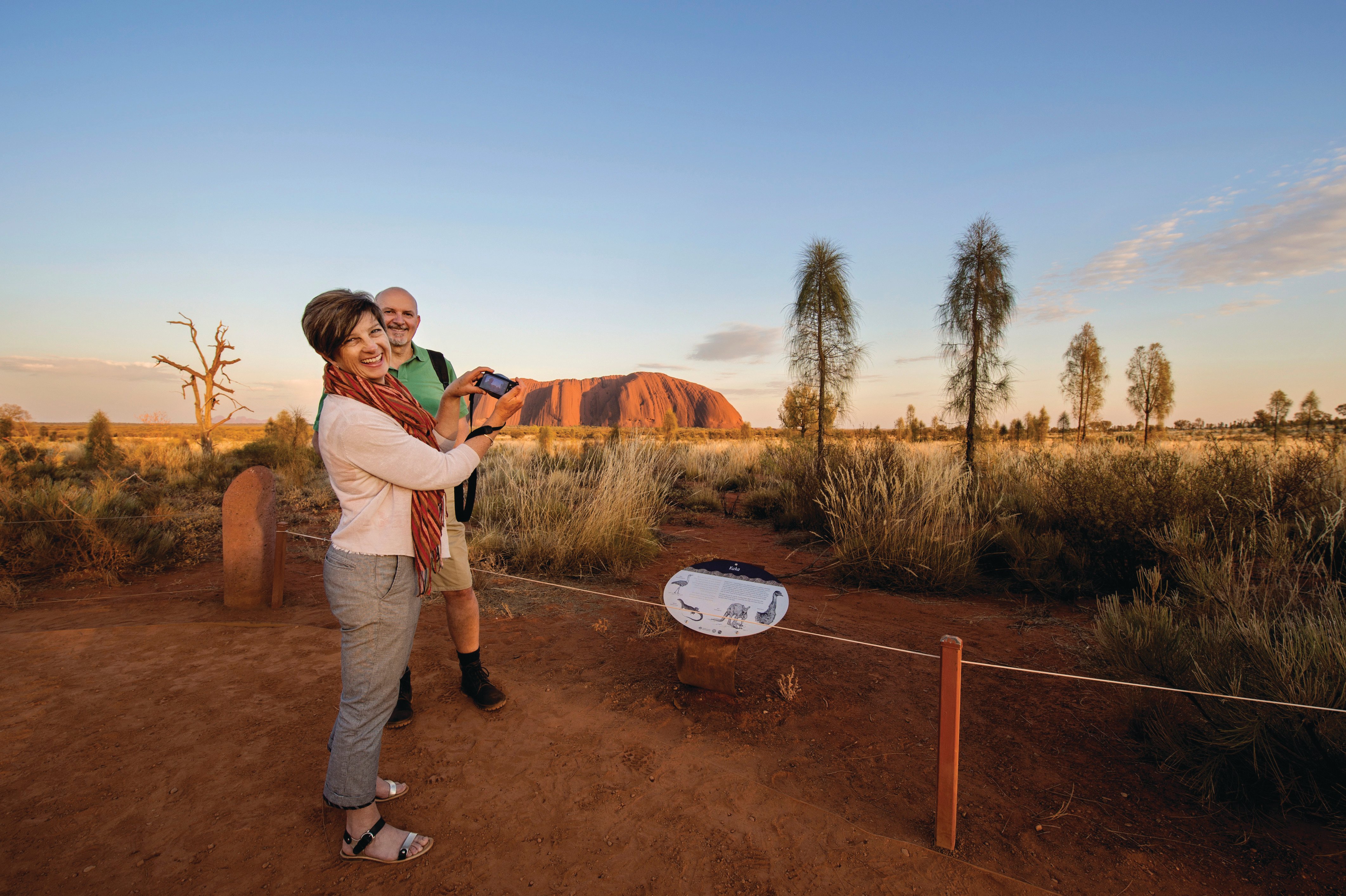
This sacred site near the base displays unique geological formations. It is a quiet area often visited during our guided journeys.
The Segway experience offers efficient terrain coverage for those seeking movement, while the guided walk provides deeper engagement with the sandstone monolith and local Anangu heritage.
| Feature | Top pick Segway Tour | Guided Base Walk |
|---|---|---|
Mobility Level |
High (Mechanized) | Low (Pedestrian) |
Cultural Interaction Depth |
Light | Extensive |
Ground Covered |
Full perimeter | Variable segments |
Physical Exertion |
Low to moderate | Moderate to high |
Accessibility |
Fitness dependent | Walking ability required |
Group Size |
Up to 12 | Up to 20 |
| See tickets → |
Verdict: Opt for the uluru sunrise segway tour if you prefer wide-ranging perspectives, whereas the guided trek suits travelers prioritizing cultural storytelling and direct interaction with the desert landscape.
Choose your ticket, select your date, and reserve in under two minutes. Secure checkout handled by our verified partner.
Instant confirmation by email, with a mobile voucher you can save offline. No printing, no queuing at a collection desk.
Arrive at the entrance, show your voucher on your phone, and walk in. Most tickets include priority or skip-the-line access.
Best time to go, insider tips, nearby landmarks, and the cancellation fine print — flip through to skim what matters to you.
How crowds, weather, and events shift across the year.
Cool mornings are perfect for the uluru sunrise segway tour experience.
Mild temperatures ensure comfortable riding conditions.
Heat restricts activity; arrive at 05:00 to finish by mid-morning.
Predictable weather makes this an ideal time for Segway tours.
Small details that turn a good visit into a great one.
Drink plenty of water before starting your uluru sunrise segway tour.
Ensure your shoes are secure to operate the foot-controlled Segway.
Apply sunscreen before the sun rises to prepare for the desert light.
Be ready by 05:00 to maximize your time in the park.
Listen to guide stories about the land's history.
Non-bookable sights within a short walk — free to visit, easy to pair.
A tranquil water source at the base of the rock. It holds great significance to local Anangu people.
A gentle path leading to ancient rock art. It provides insight into traditional life.
Flexible, no hidden fees.
Full refunds are available for cancellations made at least 48 hours in advance. Entry fees of 38 AUD are non-refundable once the park pass is activated.
Hand-picked options within walking distance — pick a district for vibe, or a specific hotel for convenience.
Located near the resort hub.
Provides social, communal lodging options.
The sandstone that forms Uluru extends underground for an estimated five to six kilometres, making the visible 348-metre monolith the smallest part of itself. What rises above the plain is arkose, a coarse sandstone laid down some 500 million years ago in an alluvial fan, then tilted almost vertically by tectonic folding. The rust colour is surface oxidation only; break the rock and it is grey. Anangu, the traditional owners, have lived in this country for at least 30,000 years, and the inselberg is not scenery to them but a record — each fissure, cave and waterhole tied to Tjukurpa, the law and creation narrative that governs behaviour here. Handback occurred on 26 October 1985, when title returned to Anangu under a lease-back arrangement with the Australian government. The park has held dual UNESCO World Heritage listing since 1994, recognised for both natural and cultural values, a rare combination. Climbing was permanently closed on 26 October 2019, at Anangu request; the base loop now carries the traffic the chain once did, which is why an uluru sunrise segway tour follows the same 10.6-kilometre circuit walkers use. The rock's daily transformation is optical rather than mystical. Iron oxide on the surface scatters short wavelengths; at low sun angles the light travels through more atmosphere, blue is stripped out, and the face reddens in a matter of minutes before flattening to ochre by mid-morning. Sunrise viewing at Talinguru Nyakunytjaku, the dune-top platform opened in 2009, was engineered around this narrow window, with sightlines deliberately framing both Uluru and Kata Tjuta 25 kilometres west. Geologically, Kata Tjuta is the sibling and the elder in bulk: 36 conglomerate domes, the tallest, Mount Olga, standing 546 metres, higher than Uluru itself. Together the two formations sit inside 1,326 square kilometres of mulga scrub, spinifex and desert oak. Waterholes such as Mutitjulu on the southern face hold water year-round in rock pockets, sustaining black-footed rock-wallabies and a bird list exceeding 170 species. Rock art in the shelters at Kulpi Mutitjulu is layered over centuries, ochre on charcoal, teaching rather than decorating. Entry costs 38 AUD, a 3-day park pass for adults 18 and over, and revenue supports joint management. Uluru-Kata Tjuta National Park tours, including every uluru sunrise segway tour tour operating on the base track, run under permit conditions written by Anangu. The rock is not a backdrop. It is the text.

"The rust colour is surface oxidation only; break the rock and it is grey."
Yes, you can purchase uluru sunrise segway tour tickets through the official operator site.
Yes, photography is permitted at stops during your uluru sunrise segway tour tour.