2 hr
Uluru Field of Light Sunrise Experience
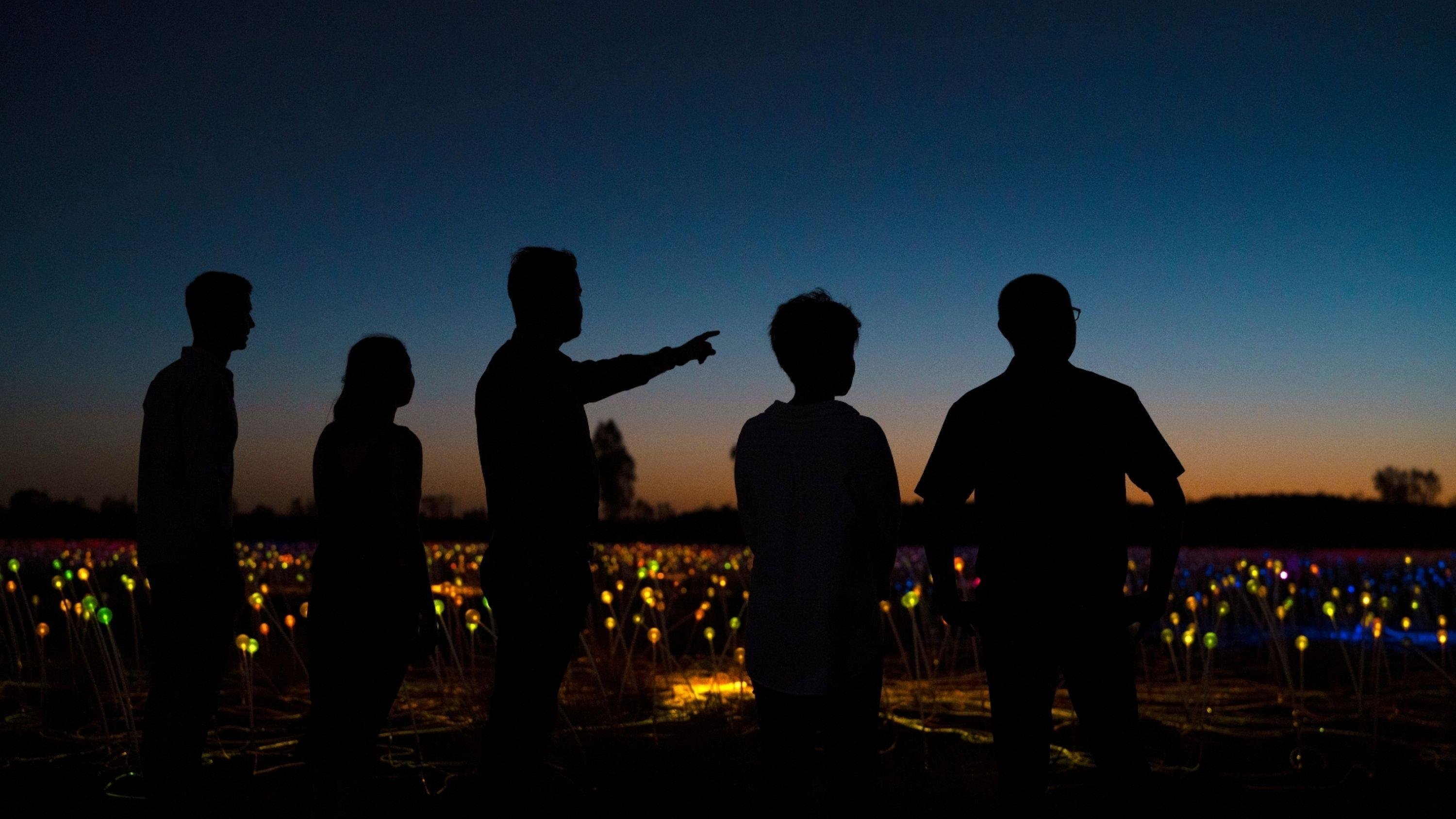
Witness 50,000 glowing spheres illuminate the desert before dawn, then watch sunrise over Uluru with a warm drink
Reserve
Hand-picked by our editors — only the best 5 experiences from 140 reviewed.
Verified partners for every tour, free cancellation where available, and instant confirmation on every booking.
2 hr
Witness 50,000 glowing spheres illuminate the desert before dawn, then watch sunrise over Uluru with a warm drink
Reserve
5 hr
Witness dawn illuminate the Red Centre, then venture into ancient rock domes and a hidden desert gorge.
Reserve
5 hr 30 min
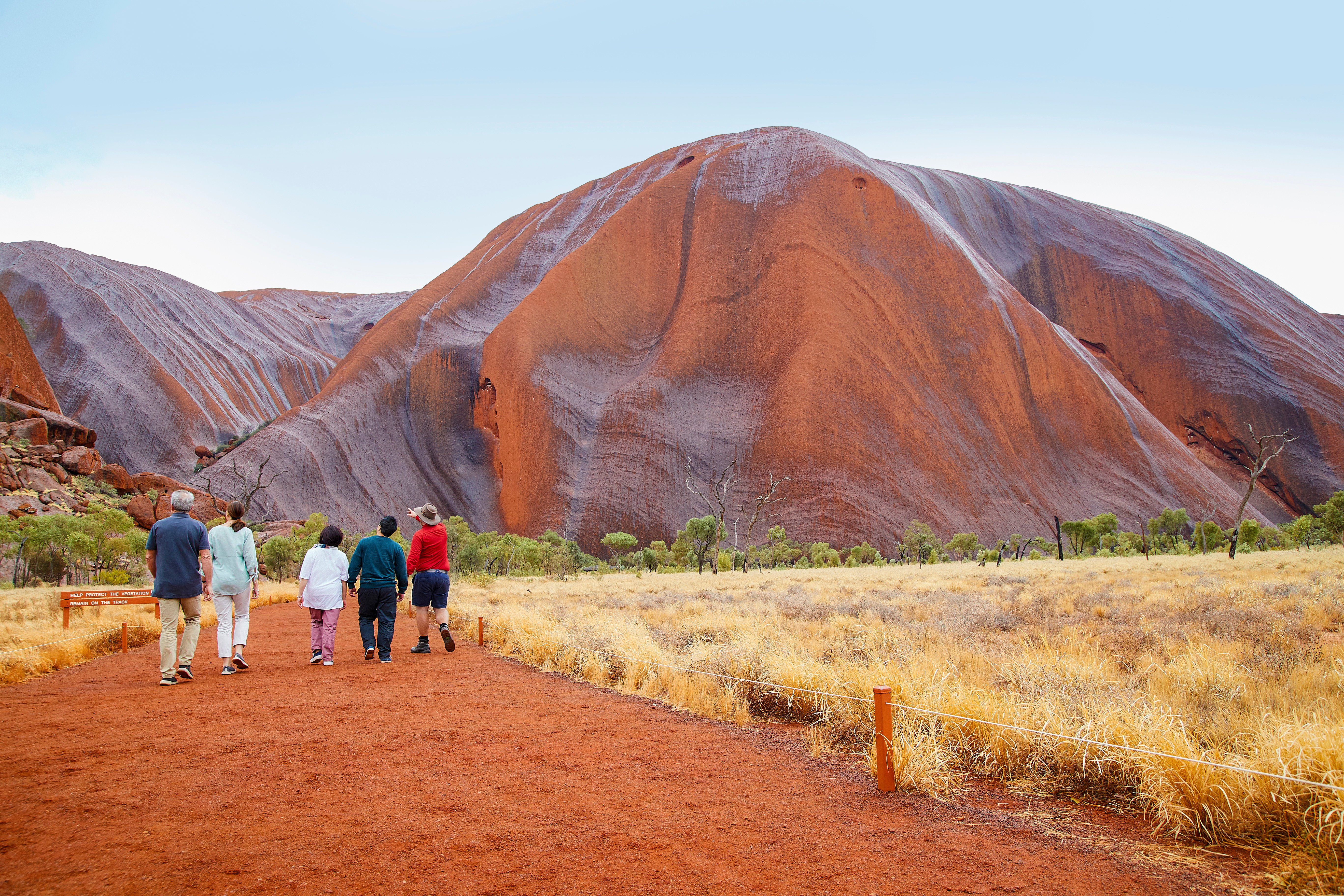
Greet the Outback dawn beside the world's most iconic monolith on a 5.5-hour guided base walk.
ReservePrices from verified partners. Availability updates in real time at checkout. Free cancellation policies apply where shown.
The landmarks, rooms, and views travelers on this tour remember — all visible on a single visit.
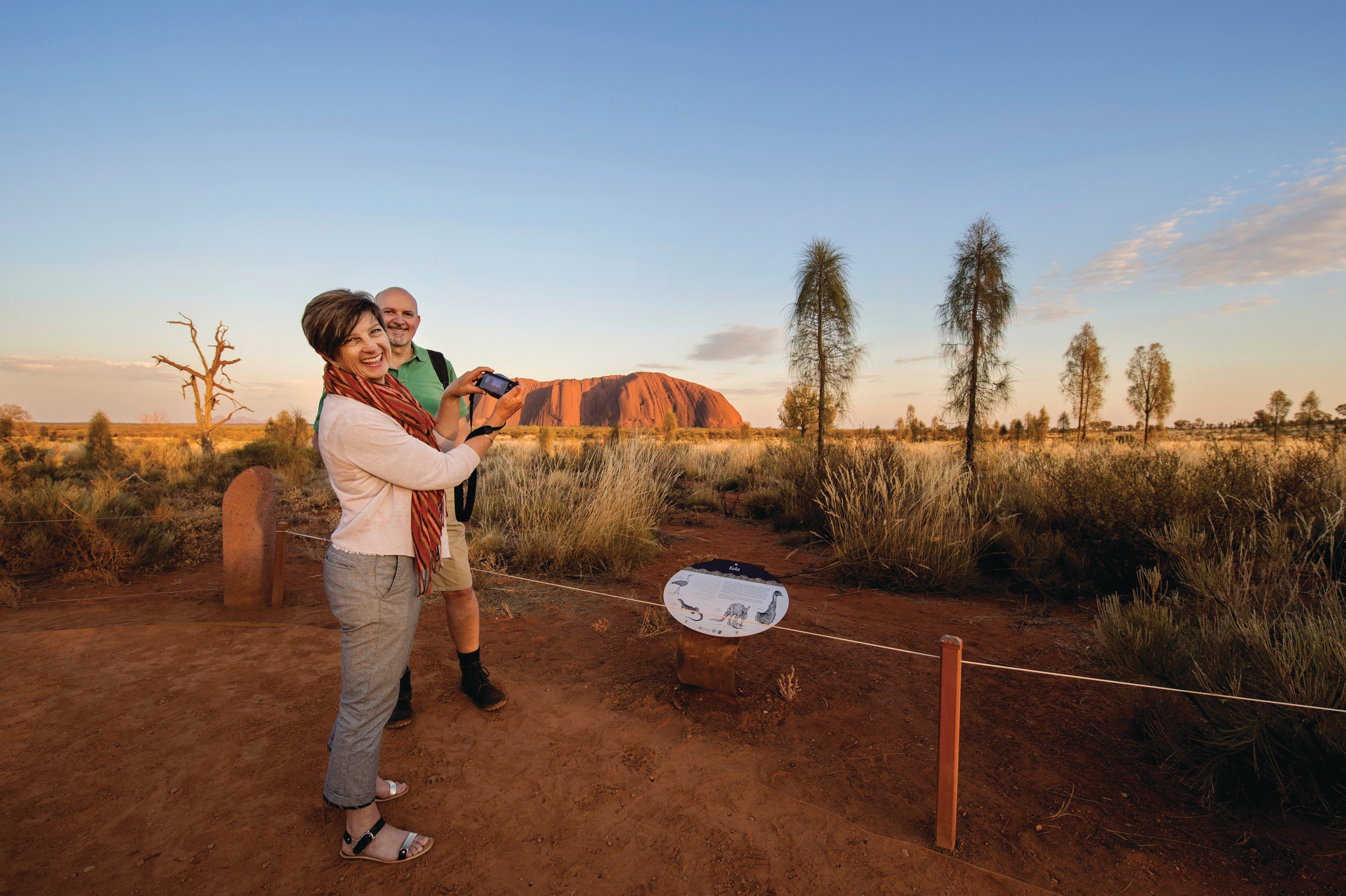
This massive sandstone formation stands 348 meters high and is a World Heritage site. It is the central feature of every uluru sunrise & kata tjuta tour.
These 36 steep rock domes rise dramatically from the plains and are a highlight of a comprehensive uluru sunrise & kata tjuta tour. Their highest point is 546 meters.
A significant site where visitors can view ancient rock art and learn about Tjukurpa during their uluru sunrise & kata tjuta tour.
This facility introduces visitors to Anangu life and the significance of the park before an uluru sunrise & kata tjuta tour.
This natural wonder features a deep, winding passage between the domes, accessible during a full uluru sunrise & kata tjuta tour.
They complement each other, but the uluru sunrise & kata tjuta tour is better for solitude, while the sunset experience offers a more social atmosphere. Choosing between these Australian landmarks depends on whether you prefer a tranquil morning or a vibrant evening environment.
| Feature | Top pick Sunrise & Kata Tjuta | Sunset Experience |
|---|---|---|
Best light for photography |
Soft morning glow | Golden hour warmth |
Temperature comfort |
Cooler desert air | Higher residual heat |
Crowd density |
Lower morning presence | Higher peak volumes |
Required wake-up time |
Early pre-dawn | Late morning start |
Biological clock impact |
Significant adjustment | Minimal disruption |
uluru sunrise & kata tjuta tour tickets |
Available for booking | Available for booking |
| See tickets → |
Verdict: Opt for the uluru sunrise & kata tjuta tour tours if you prioritize quiet observation, or select the rival experience if you want to cap off your day with evening refreshments and social engagement.
Choose your ticket, select your date, and reserve in under two minutes. Secure checkout handled by our verified partner.
Instant confirmation by email, with a mobile voucher you can save offline. No printing, no queuing at a collection desk.
Arrive at the entrance, show your voucher on your phone, and walk in. Most tickets include priority or skip-the-line access.
Practical details for your visit straight from our verified partners — hours, access, rules, and how to get there.
Lasseter Highway, Uluru NT 0872
Main hub for park information
Drive via Lasseter Highway to the park entry station
Wear sturdy walking shoes, a sun-protective hat, and layers for fluctuating desert temperatures. High-SPF sunscreen and sunglasses are essential for the uluru sunrise & kata tjuta tour tours experience.
Small daypacks are allowed for carrying water and essentials. Security is present at park entry, and visitors should be prepared to present their park pass for any uluru sunrise & kata tjuta tour tickets purchased.
Commercial photography requires a permit, but private photography is welcome in non-restricted areas. Always respect signs indicating culturally sensitive sites during your uluru sunrise & kata tjuta tour.
The park provides accessible viewing platforms and paths. Contact the operator directly for specific mobility assistance for your uluru sunrise & kata tjuta tour tour.
Children are welcome, and those 17 years and under enter the park for free. Families should plan their uluru sunrise & kata tjuta tour itinerary around hydration and shade breaks.
Carry at least 2 liters of water per person, as there are no food outlets inside the park. Many visitors combine their uluru sunrise & kata tjuta tour with a meal at the nearby Yulara village.
Best time to go, insider tips, nearby landmarks, and the cancellation fine print — flip through to skim what matters to you.
How crowds, weather, and events shift across the year.
Cooler temperatures are ideal for long desert walks and the uluru sunrise & kata tjuta tour experience.
Small details that turn a good visit into a great one.
Arrive between 05:00–06:30 for the best light.
Non-bookable sights within a short walk — free to visit, easy to pair.
A peaceful spot showcasing ancient rock art and desert flora
Flexible, no hidden fees.
Park pass refunds and date changes are available through the official Parks Australia portal. Please refer to the specific operator for the uluru sunrise & kata tjuta tour tour terms regarding their 38 AUD entrance fee inclusion.
Hand-picked options within walking distance — pick a district for vibe, or a specific hotel for convenience.
Comprehensive desert accommodation village
Uluru is roughly 348 metres high above the surrounding plain, yet geologists estimate the arkose sandstone slab continues underground for several kilometres. What visitors see is the tip of a buried mountain range, tilted almost vertical by tectonic folding around 400 million years ago and then worn flat by erosion. Kata Tjuta, 40 kilometres to the west, is a sibling formation of conglomerate — 36 domes of cemented boulders, the tallest of which, Mount Olga, rises higher than Uluru itself. The Anangu have lived across this country for more than 30,000 years, and Tjukurpa — the body of law, story and relationship binding people to land — remains the framework through which both formations are understood. Named features on the rock face are not scenery but record: waterholes, ancestral tracks, teaching sites. A uluru sunrise & kata tjuta tour operating today does so under a joint management arrangement dating to 1985, when freehold title was handed back to the traditional owners and leased to the Commonwealth. The park was inscribed on the UNESCO World Heritage list twice, first for its geology in 1987, then in 1994 for its cultural landscape — one of few sites worldwide recognised on both grounds. Sunrise carries particular weight here because of mineralogy rather than sentiment. The sandstone contains iron-bearing minerals that oxidise at the surface; low-angle light strikes that rusted skin and shifts it through ochre, vermilion and a brief pale rose before flattening to grey-brown by mid-morning. Kata Tjuta's domes, with deeper channels between them, hold shadow far longer, which is why Uluru-Kata Tjuta National Park sunrise tour itineraries pair the two. The closure of the summit climb on 26 October 2019 marked a turning point. Visitor numbers did not collapse; instead attention redistributed toward the base walks, the Walpa Gorge track, the Valley of the Winds circuit and the interpretive centres. Guided desert landmark experiences now emphasise reading country — spinifex, desert oak, the rock art of Mutitjulu — rather than conquering it. Bruce Munro's Field of Light installation, first lit in 2016 and extended repeatedly since, added a second reason to be awake before dawn. Entry is governed by a single 3-day park pass at 38 AUD per adult (18 years and over), and gates operate 05:00–21:00 daily. Most Uluru Sunrise & Kata Tjuta Tour tours begin in darkness for that reason, and a well-run uluru sunrise & kata tjuta tour tour treats the drive itself as part of the interpretation.

"What visitors see is the tip of a buried mountain range, tilted almost vertical and then worn flat."
A step-by-step walkthrough of the visit — what you'll see, how long each stage takes, and the details that matter.
You wake in the dark. Pickup falls inside the 05:00–06:30 arrival window, and you pass the entry station with your 38 AUD 3-day park pass on the dashboard while the eastern horizon is still the colour of cold iron. Coach headlights sweep desert oak. Nobody talks much. At the viewing platform you claim a rail position, tripod feet spread, and wait. The rock goes from charcoal to plum to a hard rusted orange over roughly twenty minutes. If you have chosen the guided walk, you carry breakfast to a cleared spot and eat with the monolith directly ahead; if you have booked the Segway option, you clip a helmet and roll the base track while the air is still under thirty degrees. Field of Light guests watch 50,000 stems fade out as daylight wins. Then you drive west. Kata Tjuta arrives as silhouette first, thirty-six domes resolving into distinct bodies of conglomerate rock. You enter Walpa Gorge on loose stone, the walls narrowing until wind funnels through and the temperature drops noticeably. You touch nothing, photograph only where signage permits, and stop at the marked interpretive boards. By late morning you are back at the coach, dust to the ankles, water bottle half empty. Uluru Sunrise & Kata Tjuta Tour tickets buy you this specific sequence — dark, colour, gorge — and if you return after dusk for stargazing, the telescopes pick up Saturn's rings from the same ground you crossed at dawn.
The national park is open daily from 05:00–21:00 for your visit.
The entrance fee is 38 AUD per adult; check if your tour provider includes this in your uluru sunrise & kata tjuta tour purchase.
The best arrival window is 05:00–06:30 to secure good positioning.
Drones are strictly prohibited in the national park to protect privacy and wildlife.
Children are welcome to join an uluru sunrise & kata tjuta tour and enter the park for free.
There are no food facilities inside the park, so bring your own supplies for the uluru sunrise & kata tjuta tour.
Official websites are the safest way to purchase your uluru sunrise & kata tjuta tour tickets.
Check with your specific operator, as policies vary for every uluru sunrise & kata tjuta tour tour.
Yes, you can visit Kata Tjuta or the Cultural Centre after your uluru sunrise & kata tjuta tour.